
Overview
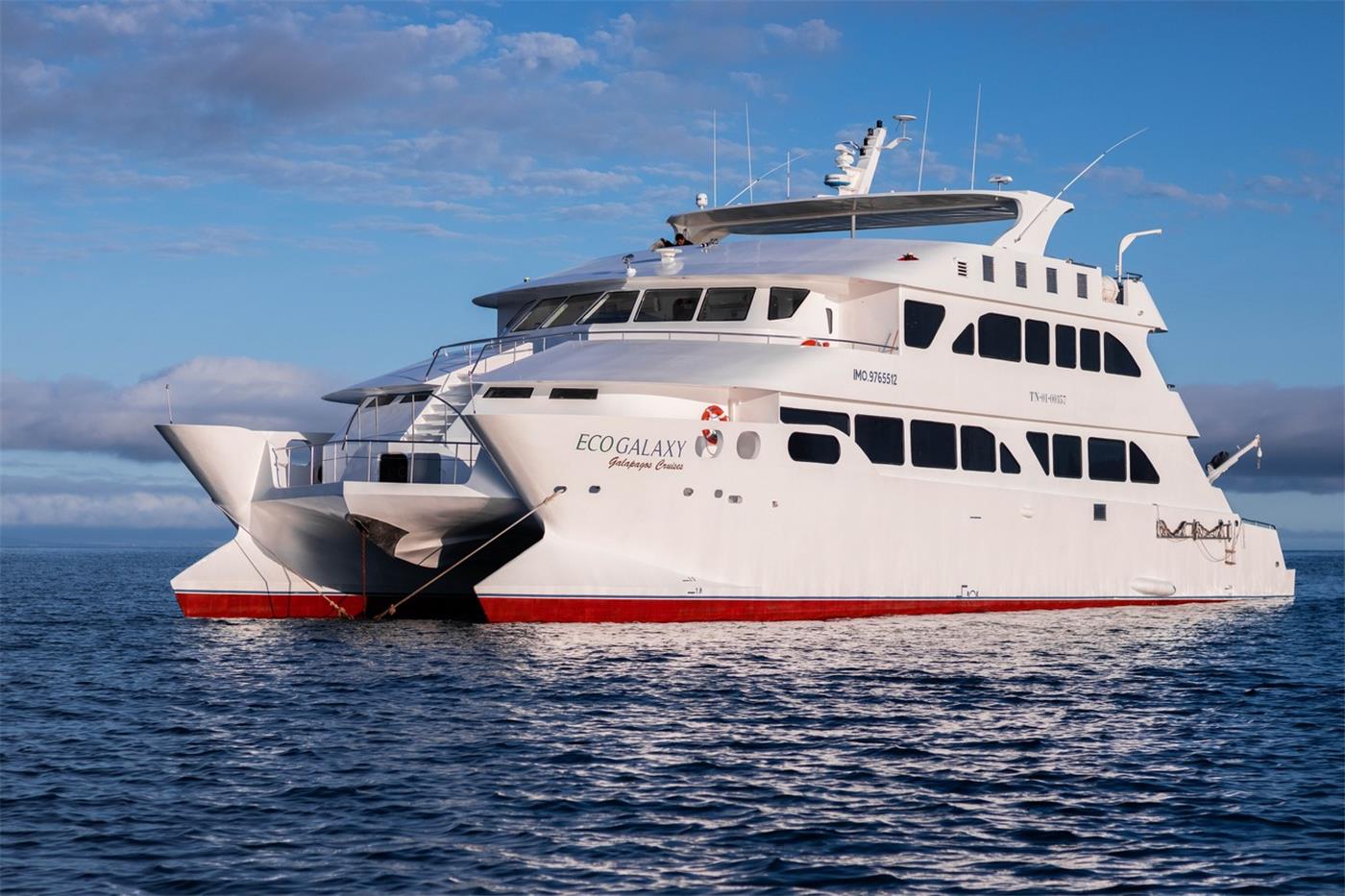
The EcoGalaxy is a First Class Catamaran offering fantastic year-round cruises to the Galapagos Islands. With an emphasis on comfort and sustainability, the EcoGalaxy Catamaran strives to reduce the negative impact of tourism in the area. Food is locally sourced products which support the local population, water is treated and reused to wash the boat, energy-saving lamps and faucets are used throughout, and cleaning products an toiletries are biodegradable. The experienced crew and naturalist guide also undergo frequent training programmes in customer service, conservation and wildlife to offer the highest service possible. Galapagos cruises offer fun, adventure, leisurely excursions and a great educational experience. Activities include hiking along extraordinary cliffs where seabirds nest, snorkelling with colourful marine life, panga ride to remote beaches and fantastic photo opportunities.
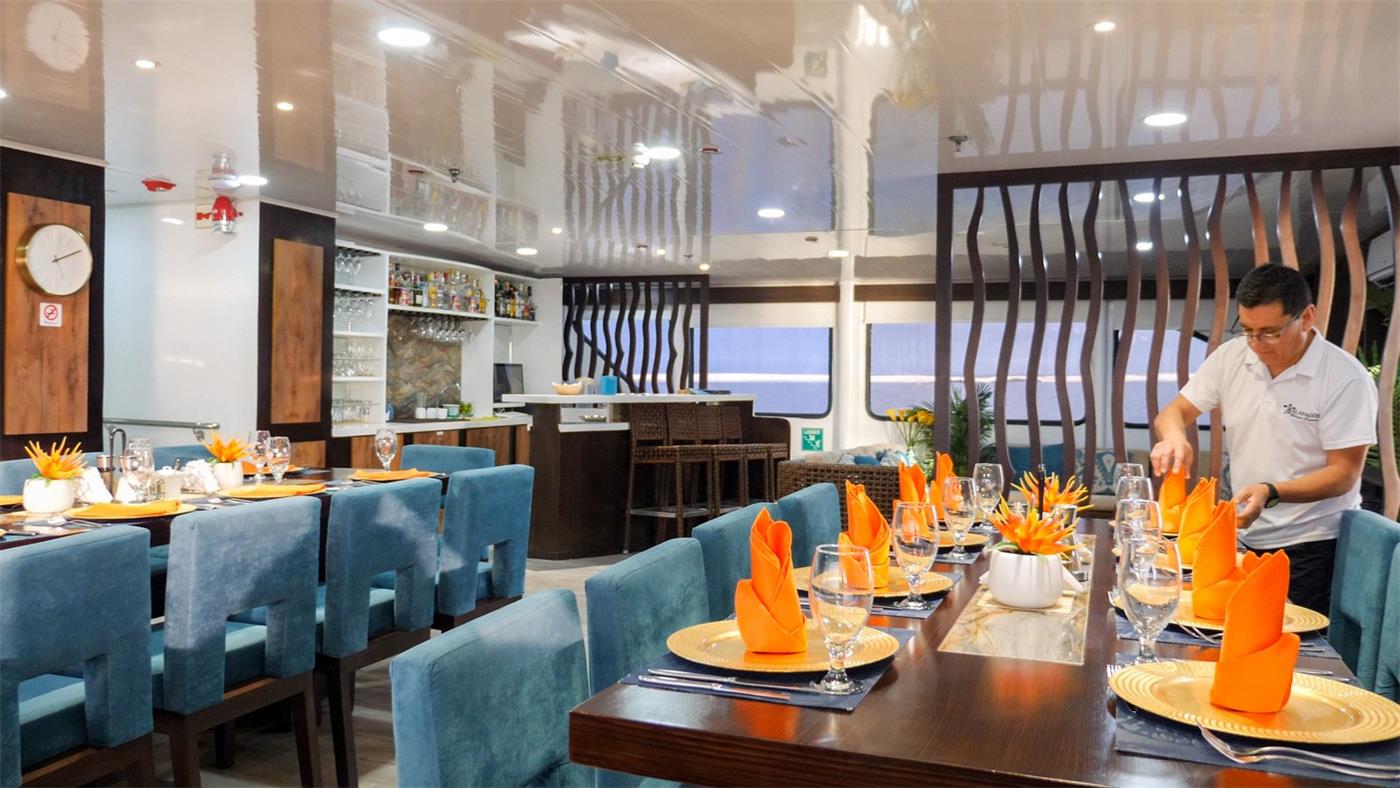
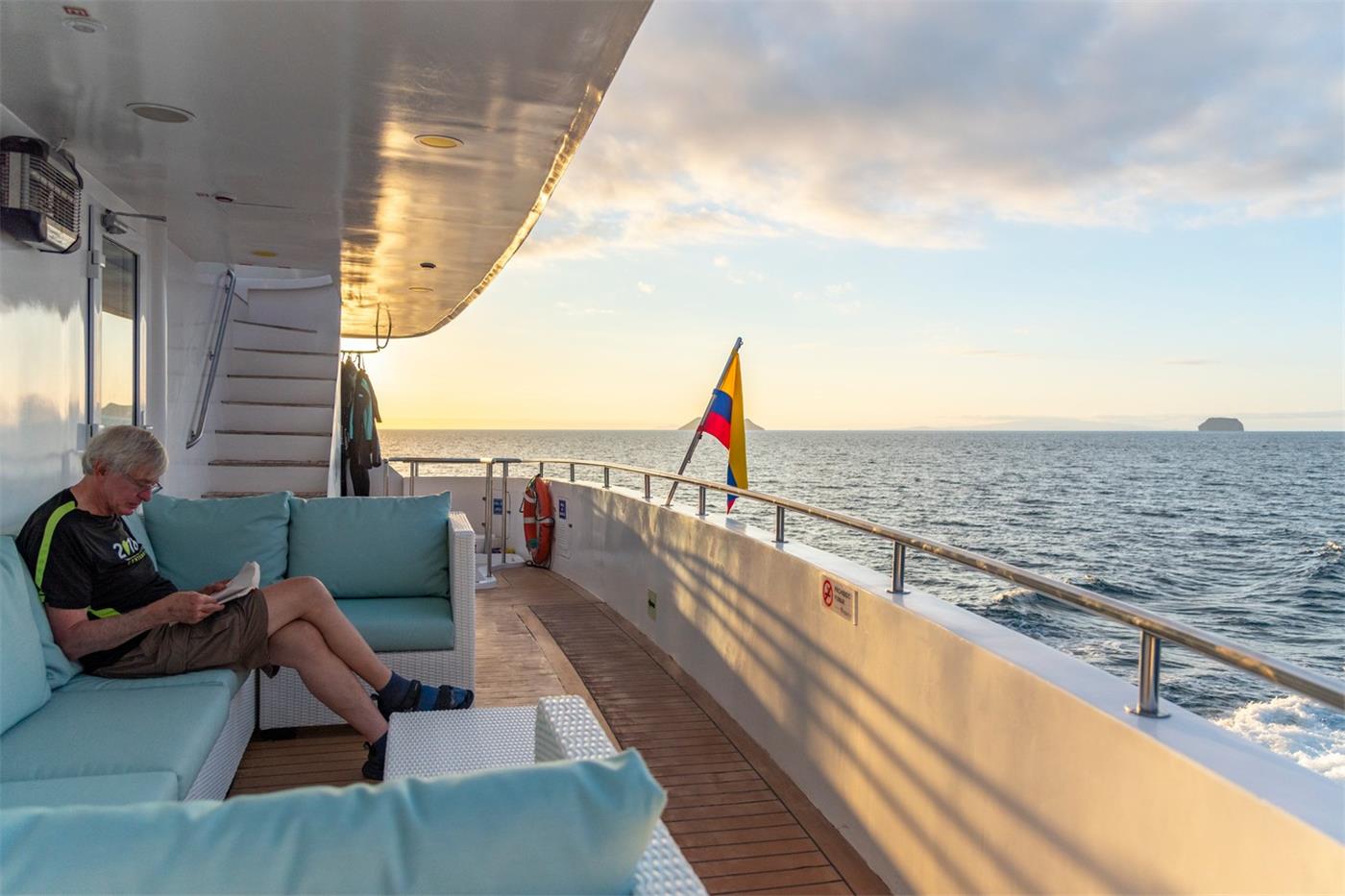
Topside the EcoGalaxy Eco Catamaran caters to just 16 guests in 8 cabins. Four cabins are located on the upper deck, and four are on the main deck, each with AC, private bathrooms with hot and cold water showers, hairdryer, internal telephone and safety deposit box. The upper deck cabins can be interconnected, and all cabins have the choice of either twin or matrimonial bedding. Social areas include a library, indoor lounge with entertainment area, fully stocked bar, dining room and sun deck with loungers.
GALAPAGOS ONBOARD A CRUISE:
- Santa Cruz: Charles Darwin Station
- Isabela: Moreno Point
- Isabela: Elizabeth Bay
- Isabela: Urbina Bay
- Isabela: Tagus Cove
- Fernandina: Espinoza Point
- Isabela: Vicente Roca Point
- Santiago: Egas Port
- Rabida: Rabida
- Santa Cruz: Black Turtle Cove
Itinerary
Your Itinerary

SANTA CRUZ ISLAND
AM: BALTRA AIRPORT: Departure to the Galapagos Islands, arrival at Baltra airport, where our naturalist guide of the National Park will be waiting for you. PM: CHARLES DARWIN STATION: The Charles Darwin Station is a nonprofit organization which has been working for decades together with the Galapagos National Park to preserve the biodiversity of these unique islands.
During this visit you will learn about the projects that both institutions carry together to protect the native species and eradicate the invasive ones which are threatening the Galapagos environment. One of the most important and emblematic projects has been reproducing giant tortoises in captivity.

ISABELA ISLAND
AM: MORENO POINT: Moreno Point is a magical place with extensive lava fields which look lifeless at first sight. Once inland, scattered brackish lagoons form oasis of life where you can find flamingoes, gallinules, ducks and herons. Along the shore we will look for penguins, marine iguanas, flightless cormorants, blue-footed boobies, sea lions, oystercatchers and other shore birds.
Snorkel: We will snorkel to see sea turtles, cormorants and many species of fish. Look carefully in the long seaweeds and you might find a sea horse. Highlights: American flamingoes, ducks, gallinules, penguins, cormorants, marine iguanas, sea lions, Galapagos m ockingbirds, Darwin finches.

ISABELA ISLAND
AM: URBINA BAY: This place is known for the dramatic uplifting that happened here during the 1950’s. A large portion of the coast was pushed up, exposing many hectares of previously submerged land. Look carefully along the trail and you will find small shells and corals, a proof that the area was underwater more than sixty years ago.
The trail will give the opportunity to see land iguanas and, during certain seasons, giant tortoises. Galapagos hawks nest in the area and are often seen flying or perched on the trees. Snorkel: You can snorkel from the beach to see sea turtles, cormorants and penguins.

FERNANDINA ISLAND & ISABELA ISLAND
AM: ESPINOZA POINT: Located at the base of an imposing volcano (the most active in the Galapagos islands) this site is one of the jewels of the Galapagos National Park. As soon as you disembark you will be surrounded by hundreds of marine iguanas, as this is the largest colony for the species. Sea lions bask in the beaches while their pups play in tide pools.
Along the shore you will see flightless cormorants, which are restricted to the western areas of the archipelago. Surrounded by cold plankton -rich waters, Punta Espinosa is home for an array of species, including herons, pelicans, oystercatchers, sea turtles, shorebird and many more.

RáBIDA ISLAND & SANTIAGO ISLAND
AM: EGAS PORT: Despite its name, there is no “port” at Puerto Egas, but you might see a few remains of the last attempts to colonize the island during the 60’s. The trail goes along the coastline which is rich in wildlife, with marine iguanas basking in the sun everywhere, Galapagos sea lions, herons, oystercatchers and many shorebirds.
At the end of the trail an area called “the grottos” is home for a small colony of the endemic Galapagos fur seal, much more difficult to see at close range than its cousin.

SANTA CRUZ ISLAND
AM: BLACK TURTLE COVE: Black Turtle Cove gets its name from the abundance of green see turtles, locally known as: “tortugas negras”. There is no landing here so you will be doing a boat tour on the dinghies, exploring shallow channels and small coves surrounded by beautiful mangrove forests. Reef sharks, sea turtles and several species rays inhabit this beautiful area which is considered an important mating area for turtles and a nursery for several species of sharks.
Herons, pelicans and boobies are also common here as they prey in schools of anchovies.
Book This Tour
Loading departure information...
Terms & Conditions
Payment Policy*:
- At the time of booking a deposit of 20% of the total tour price
- The remaining balance is due a minimum of 65 calendar days prior to departure date
To issue final confirmation Palace tours requires 60 days prior to departure (or at time of reservation for last minute bookings) the following information for all passengers:
- Complete passenger names
- Passport numbers (& passport copy in case of children)
- Nationality
- Date of birth
- Marital Status
- Dietary or medical restrictions
Failure to provide the above information on time may result in delays and possibly passengers missing the tour completely. Palace tours will not accept responsibility or provide refunds if the above information is not provided in its entirety and on time.
Cancellation Policy*
All cancellations must be done in writing. If a cancellation is received more than 125 days prior to tour departure date a Cancellation fee of 10% of the total price will be retained as cancellation fee.
If a cancellation is received between 124 days and 65 days prior to tour departure date, 20% of the total price will be forfeited.
In the case of a cancellation received less than 65 days prior to the boat departure the full amount will be retained.
*Specific Payment and Cancellation/Reschedule policies for Christmas and New Years´ Eve cruise dates
Inclusions & Exclusions
INCLUDED:
- Airport assistance
- Transfers in Galapagos
- Accommodation in double cabin
- All meals during the cruise
- Naturalist Bilingual Guide
- All visits and excursions according to the itinerary
- Snorkel Gear (mask, tube and fins)
- Kayaks, paddle boards
- Unlimited purified water, coffee and tea
- Wetsuits, soft drinks, beach towels
NOT INCLUDED:
- local flight to/from Galapagos
- Galapagos National Park Entrance fee
- Galapagos Transit card
- Alcoholic drinks
- Tips
- Local Taxes
- Travel Insurance
- Service do not specified
Frequently Asked Questions & Tips
Galapagos is a place that can be visited at any time. There are two season, and the warmest is between December and May. It is the time of year when the sky is always clear, and the sun shines strongly. If you love to dive in amazing places, the best time to visit Galapagos is from June to November. During this season the weather is a little cooler, but it gives you the chance to enjoy the best from Galapagos' famous marine reserve.
Since the islands are situated very near the Equator, we recommend that you bring lightweight clothing and of course, don't forget your swimsuits, sun lotion, and good footwear.
It depends from where you depart. Flights to the Galapagos leave from Quito and Guayaquil. It takes about half an hour to get from Quito to Guayaquil and roughly one and a half hours from Guayaquil to the islands.
For the Galapagos Islands there are no required or recommended immunizations. If you, however, intend to spend more time in Ecuador, especially in the jungle, immunization is highly recommended. As this changes from time to time please check with your local health office (or the Institute for Tropical Diseases) a few weeks in advance of your trip.
Most of our cruises will assign double cabins to all passengers unless you want to pay the single supplement if traveling alone. Triple cabins can also be arranged on request, depending on availability and the vessel you choose.
The Galapagos Islands are 6 hours behind GMT (equivalent to USA Central Standard Time)
The equatorial line does pass through the Galapagos, just north of Isla Santiago. Please refer to our Itinerary page to see which itinerary passes through the equatorial line.
The Galapagos Islands waters have the Humboldt Current's influence that brings cold waters especially during the mist rainy season (cool weather) from July to December. The warm season is during the months of January to June. The southeast trade winds become weaker and the water from the Panama Basin remains warm. During this season there is more of a tropical climate with some occasional rains. "El Niño" current may cause a much greater flow of warm waters, making the surface warmer and rainfall increase.
Average water temperatures in Galapagos:
January - June: 70°F - 80°F (20°C - 26°C)
July - December: 65°F - 75°F (18°C- 23°C)
Snorkeling equipment is available on-board and is an activity on all of our Galapagos Cruises. All water sports convey a certain risk. Passengers participating in these activities do so under their own responsibility.
*Restrictions and fees might apply, please contact us for more information.
Passengers with special dietary needs are asked to request the latest menu offered and in such cases that stated menu does not meet their needs to clearly convey their specific dietary needs. It is the responsibility of passengers with specific dietary needs to addressed additional requirements at least 30 days prior to the start of the cruise. Those general and specific needs not clearly conveyed cannot be met. Every reasonable effort will be made to cater to such requests within reason, subject to availability of products in Ecuador retains the right to refuse to cater such special needs.
This 5-night cruise focuses on the western islands. After the Charles Darwin Station on Santa Cruz, it visits Moreno Point and Elizabeth Bay, Urbina Bay and Tagus Cove on Isabela, Espinoza Point on Fernandina and Vicente Roca Point, then Egas Port on Santiago and Rabida, finishing at Black Turtle Cove on Santa Cruz.
The EcoGalaxy is a First Class catamaran carrying just 16 guests in 8 cabins, four on the upper deck and four on the main deck. It is run with a sustainability focus: locally sourced food, treated and reused water, energy-saving lamps and faucets, and biodegradable cleaning products and toiletries.
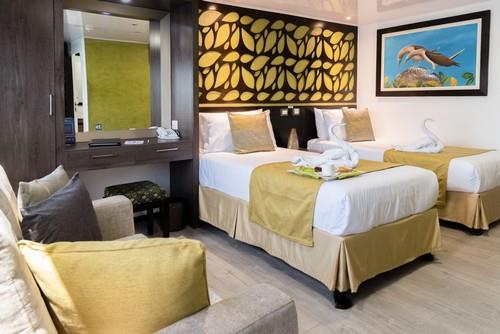
Cabins are offered as King Size, Twin or Triple, and each can be set up with twin or matrimonial bedding. All have air conditioning, a private bathroom with hot and cold showers, a hairdryer, internal telephone and safety deposit box. Upper deck cabins can be interconnected, which suits families or friends travelling together.
Included are airport assistance and transfers in Galapagos, your cabin, all meals during the cruise, a bilingual naturalist guide, all visits and excursions in the itinerary, snorkel gear, kayaks, paddle boards, wetsuits, beach towels, purified water, coffee, tea and soft drinks. Not included are the flight to and from Galapagos, the National Park entrance fee, the transit card, other beverages, tips, local taxes and travel insurance.
Espinoza Point lies at the base of the most active volcano in Galapagos and hosts the largest marine iguana colony of the species. Sea lions rest on the beaches, and flightless cormorants, found only in the western islands, can be seen along the shore together with herons, pelicans, sea turtles and Galapagos hawks.
Moreno Point has extensive lava fields dotted with brackish lagoons where flamingos, gallinules, ducks and herons gather. Along the shore you look for penguins, marine iguanas, flightless cormorants, blue-footed boobies and sea lions, and snorkelling offers sea turtles, cormorants and sometimes a sea horse.
Yes. At Egas Port on Santiago the coastal trail ends at the grottos, home to a small colony of endemic Galapagos fur seals. Land iguanas were reintroduced here in 2019 after more than a century absent from Santiago, and marine iguanas, sea lions and shorebirds line the coast.
A deposit of 20% of the cruise fare secures your cabin on the EcoGalaxy Route B cruise. The remaining balance is due 65 days before departure. Galapagos flights, park entrance fee and transit card are separate from the cruise fare, so plan for those costs as well.
You can email travel@palacetours.com, call 786-408-0610, or message us on WhatsApp at https://wa.me/17864080610, where a travel specialist or our AI assistant will reply. When departures for the EcoGalaxy Route B cruise are listed on this page they can be booked directly from the departure list, and the exact fare for each departure is shown there. If no date suits you yet, send us your preferred travel month and cabin type and we will check availability for you.
Media Gallery
Ecogalaxy
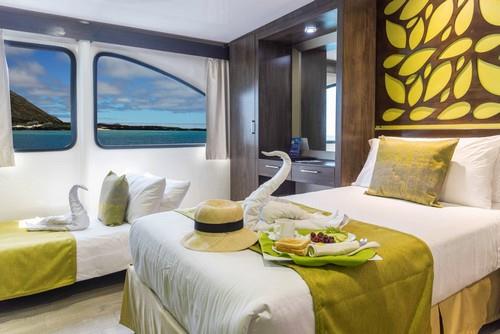
Ecogalaxy
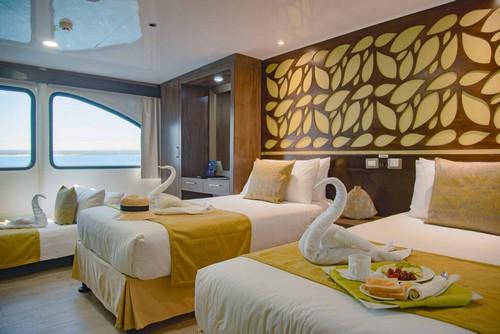
Ecogalaxy
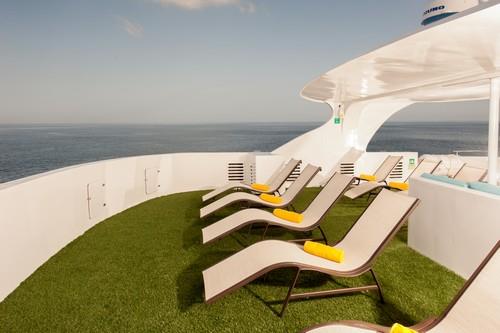
Ecogalaxy -upper deck terrace
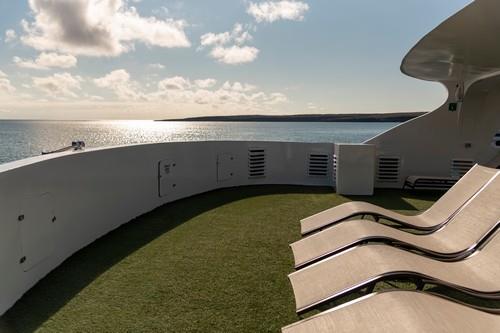
Ecogalaxy -upper deck terrace
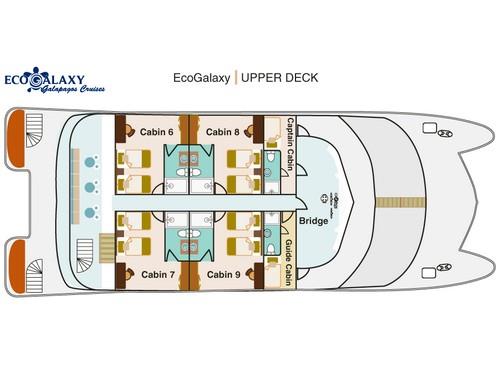
Ecogalaxy -deck plan
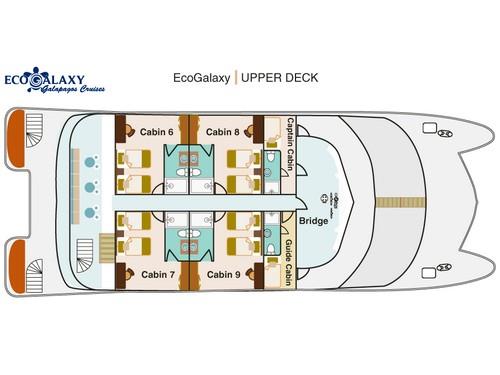
Ecogalaxy -deck plan
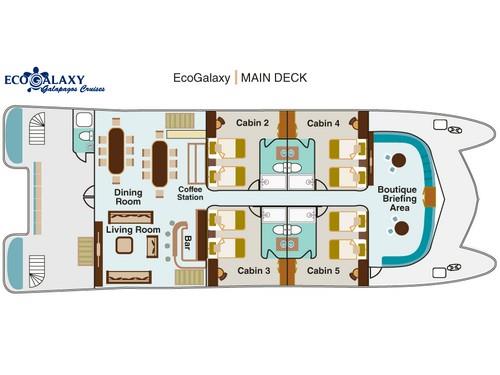
Ecogalaxy -deck plan
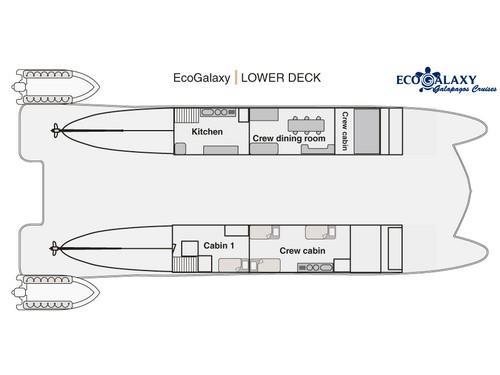
Ecogalaxy -deck plan
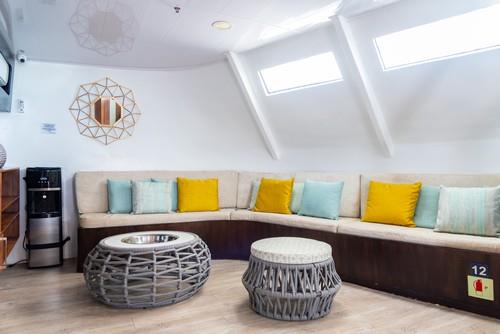
Ecogalaxy -social area
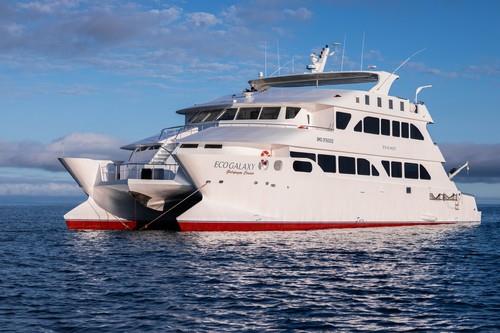
Ecogalaxy -exterior
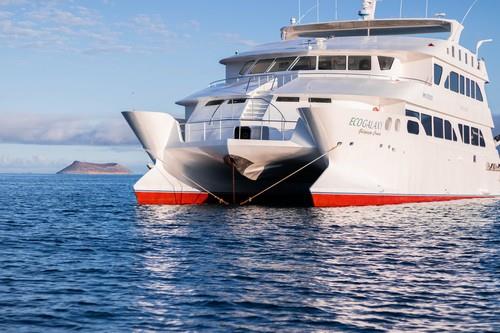
Ecogalaxy -exterior
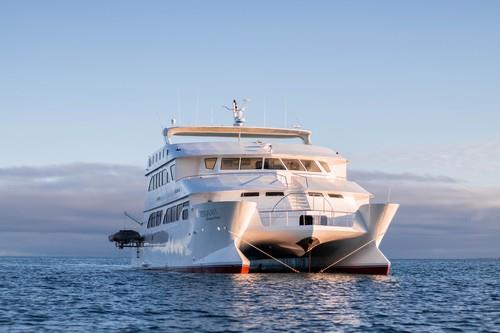
Ecogalaxy
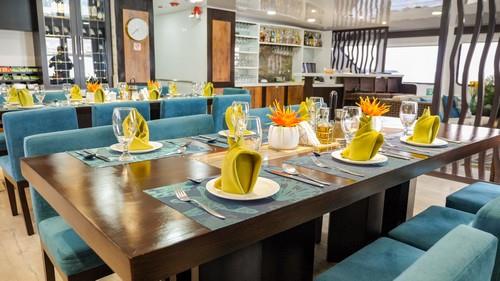
Ecogalaxy -social area
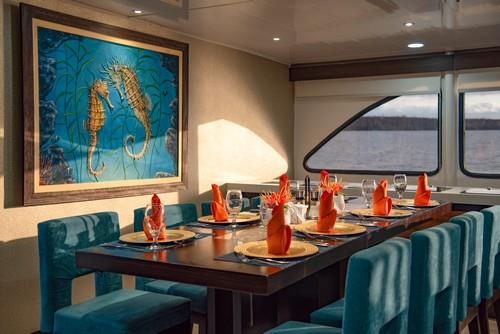
Ecogalaxy -social area
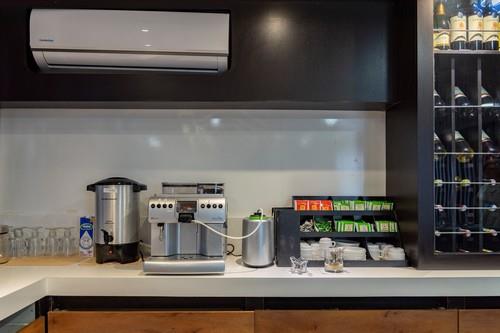
Ecogalaxy
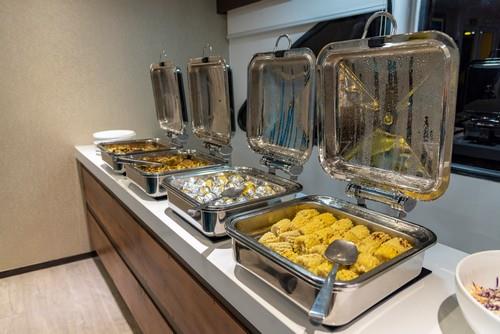
Ecogalaxy
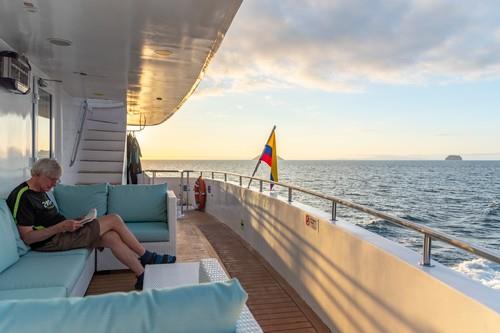
Ecogalaxy - lower deck terrace
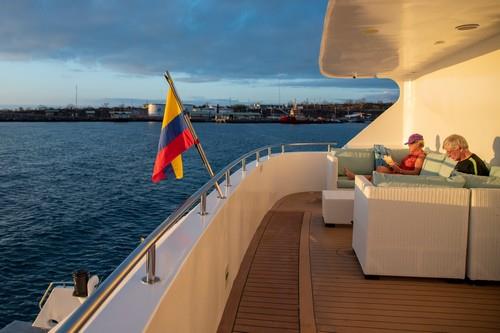
Ecogalaxy - lower deck terrace
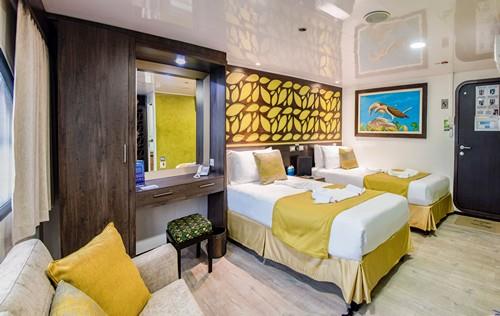
Ecogalaxy -twin
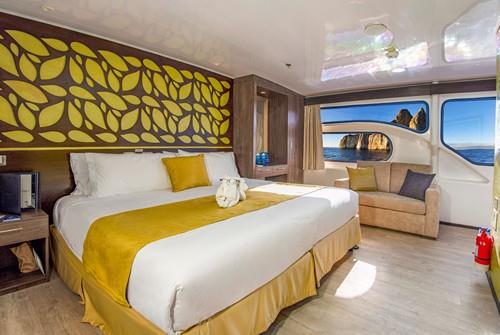
Ecogalaxy
Check Availability & Request a Quote
Check availability & request a quote
A rail specialist replies within 1 business day — no obligation.