
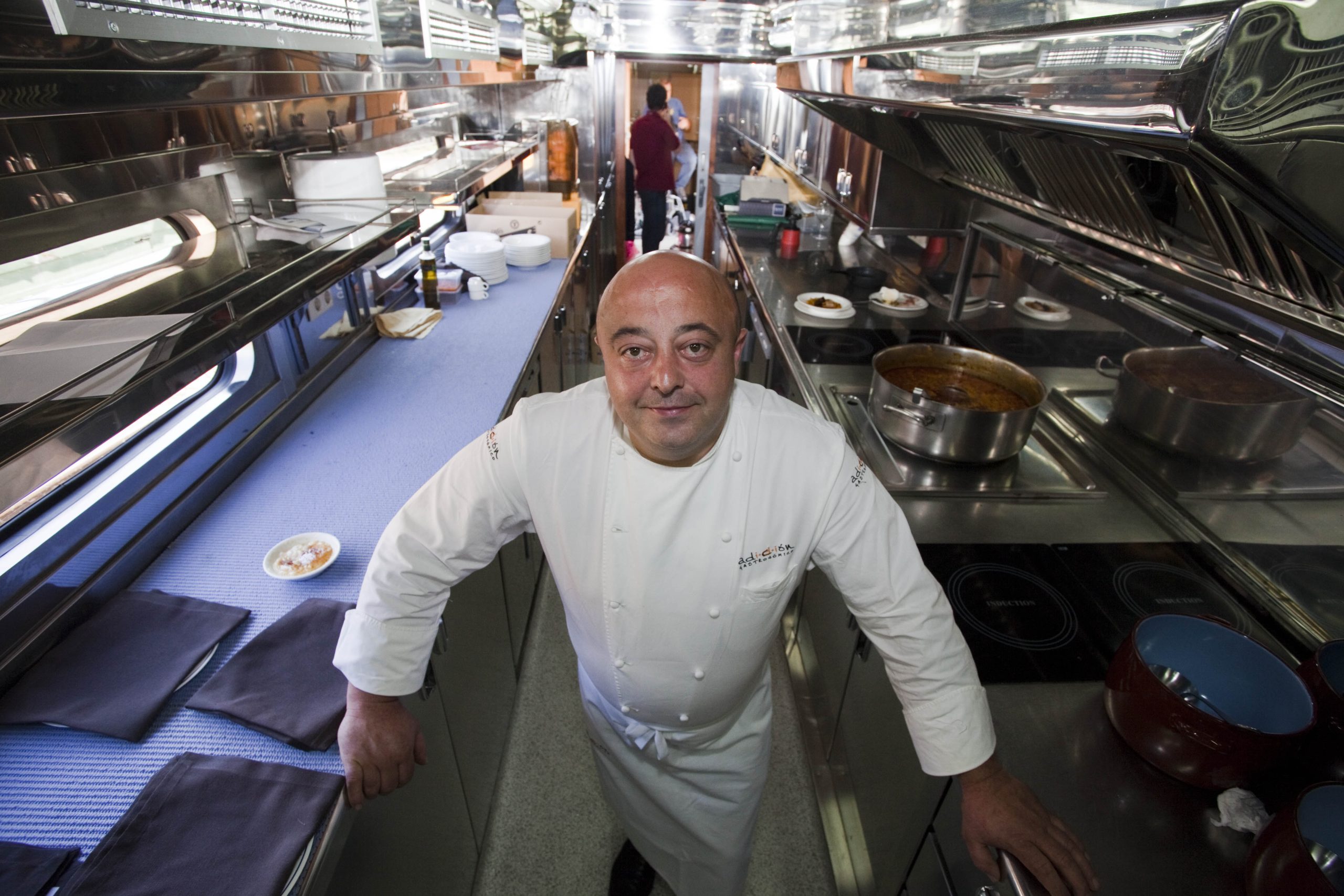
If you’re dreaming of a luxury train journey that combines spectacular scenery with world-class cuisine, El Transcantábrico offers an unparalleled culinary adventure through northern Spain’s most gastronomically rich regions. This guide is designed for sophisticated travelers seeking an authentic taste of Spanish culture while enjoying the ultimate in rail luxury from the Basque Country to Galicia.
You’ll discover not only what makes this journey a foodie’s paradise, but also practical insights about booking, seasonal considerations, and what to expect from this once-in-a-lifetime experience.
What Makes El Transcantábrico Spain’s Premier Culinary Train Experience?
El Transcantábrico isn’t just transportation—it’s a moving restaurant that showcases the incredible diversity of northern Spanish cuisine. Unlike other luxury trains that simply serve meals onboard, this eight-day journey integrates dining experiences both on the train and at carefully selected restaurants in historic cities along the route.
The train’s restaurant car features floor-to-ceiling windows, allowing you to savor expertly prepared regional dishes while watching the Cantabrian coastline unfold. Executive Chef Miguel Cobo, formerly of Michelin-starred establishments, crafts menus that reflect each region’s culinary identity, using locally sourced ingredients picked up at stops along the way.
Your journey includes stays in luxury suites with private bathrooms, each measuring approximately 80 square feet and featuring panoramic windows. The train accommodates just 28 passengers in 14 suites, ensuring an intimate and personalized experience that larger cruise ships or tour groups simply can’t match.
Basque Country: Where Your Culinary Adventure Begins
San Sebastián’s Pintxos Culture
Your gastronomic journey begins in San Sebastián, home to more Michelin stars per capita than any city except Paris. The train departs from this culinary capital, but not before you’ve experienced the city’s famous pintxos bars in the Parte Vieja (Old Town).
During your pre-departure evening, you’ll visit iconic establishments like Bar Nestor, famous for its tortilla and grilled tomatoes (available only at specific times—locals line up at 1 PM and 8 PM sharp). At Gandarias, you’ll sample their renowned mushrooms with garlic and jamón, paired with local Txakoli wine.
The beauty of San Sebastián’s food scene lies in its accessibility—these aren’t stuffy fine-dining establishments but neighborhood bars where locals have gathered for generations. Your included guided tour ensures you’ll hit the essential spots while learning the proper pintxos etiquette.
Bilbao’s Market-to-Table Philosophy
Before departing the Basque region, El Transcantábrico makes an essential stop in Bilbao, where you’ll visit the stunning Mercado de la Ribera. This Art Deco market, built in 1929, remains one of Europe’s largest covered markets and provides ingredients for your onboard meals.
Here, you’ll witness the chef’s selection process firsthand—choosing line-caught hake from Getaria, Idiazábal sheep’s cheese aged in caves, and Gernika peppers that’ll appear in that evening’s dinner. This isn’t just sightseeing; it’s understanding how the train’s exceptional cuisine connects directly to regional producers.
Cantabria: Coastal Flavors and Mountain Traditions
Santander’s Seafood Treasures
As El Transcantábrico winds along the dramatic Cantabrian coast, the cuisine transitions from Basque complexity to Cantabrian simplicity, where pristine ingredients require minimal manipulation. In Santander, you’ll experience this philosophy at its finest.
The train stops for a special lunch at Villa Favorita, where sobaos pasiegos (traditional sponge cakes) are paired with local anchovy tastings. These aren’t the heavily salted anchovies you might know—Cantabrian anchovies are delicate, almost buttery, and considered among the world’s finest.
Your onboard dinner that evening features rabas (battered squid rings) and marmita, a traditional tuna and potato stew that fishermen have prepared for centuries. The train’s sommelier pairs these dishes with Albariño wines, introducing you to varietals you’ll encounter throughout your journey westward.
Comillas and the Art of Quesada Pasiega
During your stop in the fairy-tale town of Comillas, you’ll discover quesada pasiega, Cantabria’s signature dessert. This isn’t just a sweet treat—it’s a cultural artifact that tells the story of the Pas valleys’ dairy traditions.
At a local pastry shop dating to 1892, you’ll watch bakers prepare this cheesecake-like dessert using the same recipe passed down through five generations. The secret lies in fresh cheese from Pasiega cows, whose milk has a uniquely high fat content due to the mountain pastures where they graze.
Asturias: Cider Culture and Rustic Elegance
Oviedo’s Sidrería Traditions
Entering Asturias means entering Spain’s cider country, where the ritual of cider pouring (escanciar) is elevated to an art form. In Oviedo, your evening includes dinner at a traditional sidrería, where you’ll learn the proper technique of pouring natural cider from height to create the perfect foam.
The meal centers around fabada asturiana, the region’s hearty bean stew featuring chorizo, morcilla (blood sausage), and lacón (cured pork shoulder). This might sound heavy, but when prepared correctly—as it is at Sidrería El Rincón del Jamón—it’s surprisingly elegant and deeply satisfying.
Your waiter will demonstrate the proper escanciar technique: bottle held high above the head, glass at hip level, creating a dramatic arc that aerates the cider. Don’t worry about spills—sawdust on the floor is traditional and expected.
Gijón’s Port-to-Plate Experience
The coastal city of Gijón offers El Transcantábrico passengers an exclusive market visit and cooking demonstration. At the Mercado del Sur, you’ll join the chef in selecting ingredients for that day’s lunch: line-caught sea bass, locally foraged percebes (gooseneck barnacles), and Cabrales cheese aged in natural caves.
The cooking demonstration takes place in the restaurant car as the train travels toward Galicia. You’ll learn to prepare pixín (monkfish) in the traditional Asturian style, with a simple sauce that highlights the fish’s natural sweetness without masking its delicate flavor.
Galicia: The Ultimate Seafood Destination
Santiago de Compostela’s Pilgrimage Flavors
Your journey culminates in Santiago de Compostela, where centuries of pilgrimage have created a unique fusion cuisine blending local Galician ingredients with influences from across Europe. The city’s position as the endpoint of the Camino de Santiago has made it a melting pot of culinary traditions.
At the historic Hostal dos Reis Católicos, now a parador (luxury state-run hotel), you’ll enjoy a farewell dinner featuring pulpo a la gallega (Galician-style octopus), empanada gallega filled with locally caught sardines, and the region’s famous Tarta de Santiago almond cake, dusted with powdered sugar in the shape of the Cross of St. James.
La Coruña’s Tower of Hercules Feast
Weather permitting, El Transcantábrico makes a final coastal stop in La Coruña, where you’ll dine at a restaurant overlooking the Tower of Hercules, the world’s oldest functioning lighthouse. This meal represents the journey’s culmination—a showcase of every regional specialty you’ve encountered.
The menu includes Basque-style bacalao al pil pil, Cantabrian anchovies, Asturian cider-braised pork, and Galician percebes harvested from the dangerous rocks below the lighthouse. It’s a greatest-hits compilation of your culinary journey, prepared by chefs who’ve spent their careers perfecting these traditional dishes.
When Should You Plan Your El Transcantábrico Culinary Journey?
The optimal time for this gastronomic adventure runs from April through October, with each season offering distinct advantages. Spring (April-May) provides mild weather, fewer crowds, and exceptional seasonal ingredients like wild asparagus and young cheeses.
Summer months (June-August) offer the warmest weather and longest days, perfect for appreciating the coastal scenery. However, this is peak season, so book well in advance. The seafood is at its finest during these months, particularly the percebes and sea urchins you’ll sample in Galicia.
Fall (September-October) might be the ideal compromise—still warm enough for comfortable sightseeing, but with autumn ingredients like wild mushrooms and new wine harvests. The changing foliage adds spectacular colors to the mountain portions of your journey.
What to Pack and Expect Onboard
Dining aboard El Transcantábrico maintains elegant but relaxed standards. For dinner in the restaurant car, business casual attire is appropriate—think pressed slacks or a nice dress with a light jacket. Spain’s northern coast can be cool even in summer, so pack layers.
Daytime excursions require comfortable walking shoes, as you’ll be exploring cobblestone streets and market halls. Many restaurants and sidrerías have casual dress codes, but avoid shorts and flip-flops for evening meals in cities.
The train provides all dining essentials, but consider packing a small cooler bag for transporting local specialties you’ll want to take home—vacuum-packed jamón, artisanal cheeses, or bottles of local cider make excellent gifts.
Booking Your Culinary Adventure with Palace Tours
El Transcantábrico operates with limited departures and just 14 suites, making advance booking essential. Palace Tours offers exclusive packages that include pre-departure hotel nights in San Sebastián, allowing you to fully experience the city’s legendary food scene before boarding.
Their packages also include wine pairings with every meal, private guided tours in each city, and transfers to specialty food shops where you can purchase ingredients to recreate these dishes at home. The investment ranges from $6,500 to $8,500 per person depending on suite category and season—comparable to luxury cruise balcony suites but with a far more intimate and culturally immersive experience.
Ready to Embark on Spain’s Ultimate Culinary Train Journey?
El Transcantábrico offers more than luxury rail travel—it’s a cultural immersion through Spain’s most gastronomically diverse regions. From San Sebastián’s innovative pintxos culture to Galicia’s pristine seafood traditions, every meal tells the story of northern Spain’s rich culinary heritage.
Don’t let this once-in-a-lifetime opportunity pass by. Palace Tours’ expert travel consultants can help you select the perfect departure date, arrange pre- and post-journey extensions, and ensure your dietary preferences are accommodated throughout your journey.
Contact Palace Tours today at spaintraintours.com or call their luxury rail specialists to begin planning your ultimate Spanish culinary adventure. With limited departures and growing demand, the best suites and dates are booking months in advance.