

Overview
Highlights
- Mega-catamaran with luxury interiors
- All cabins with sea-views and private balconies
- Abundant social areas for relaxation
- Quality control manager and bi-lingual naturalist guide onboard
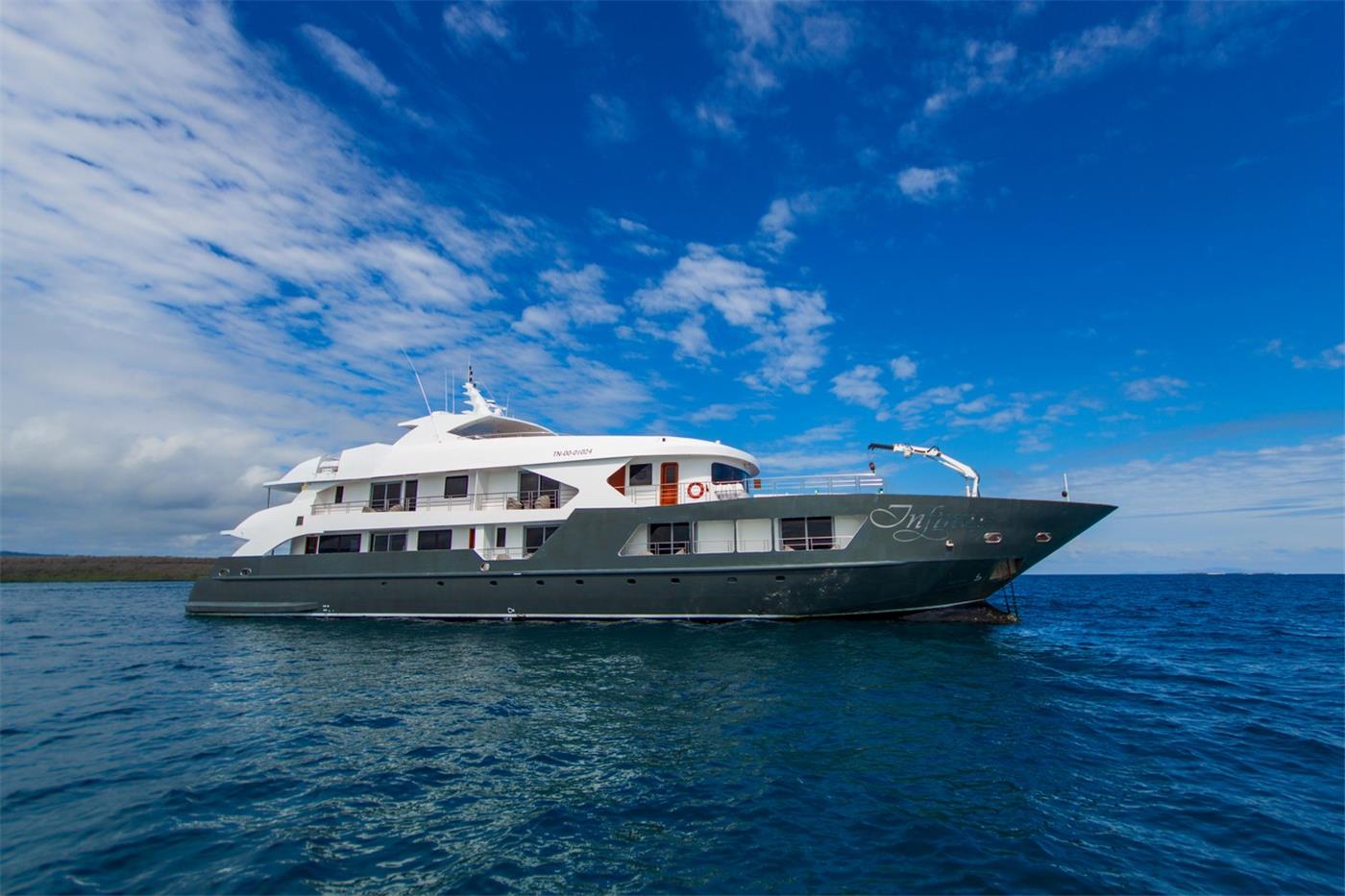
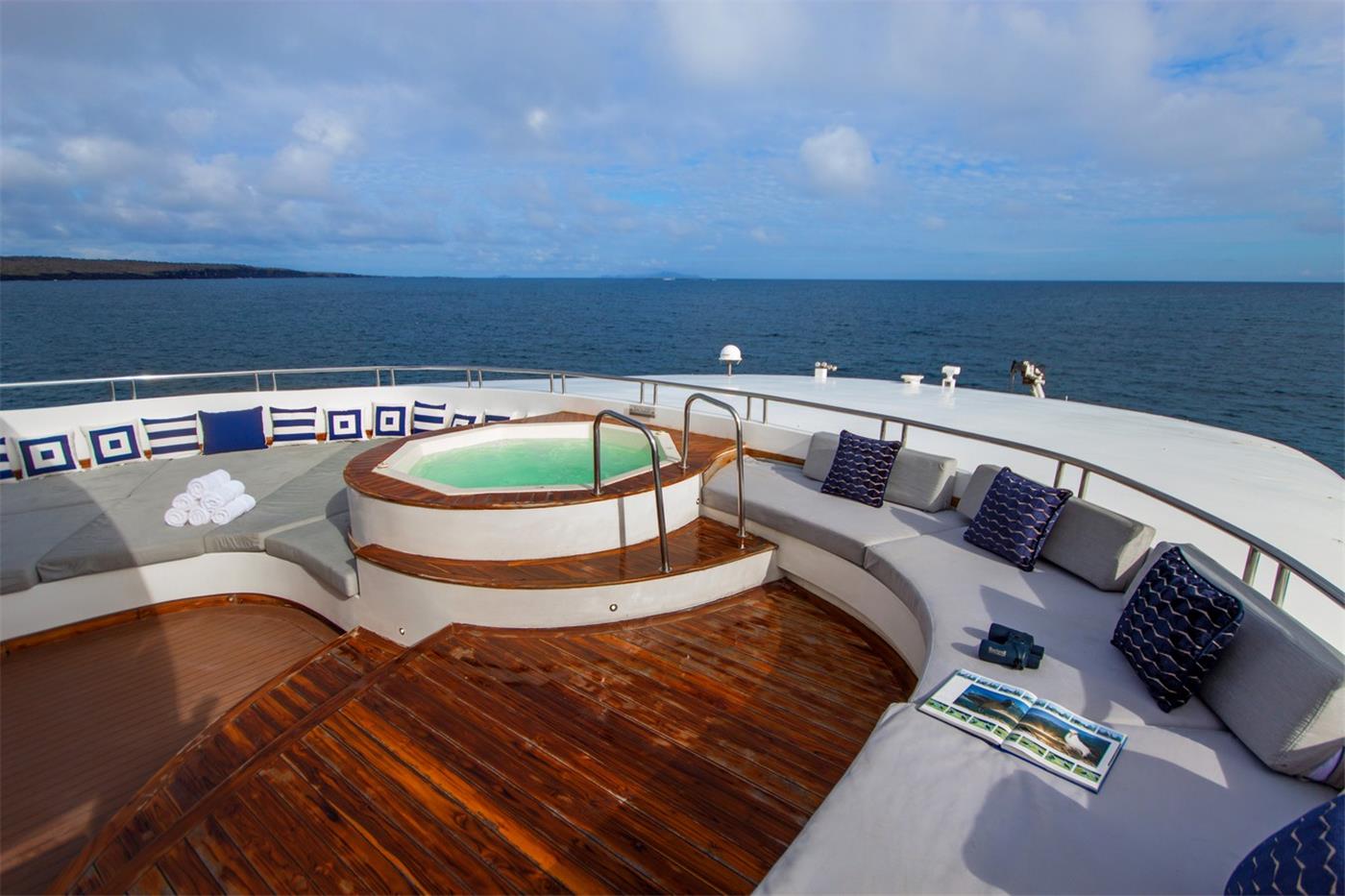
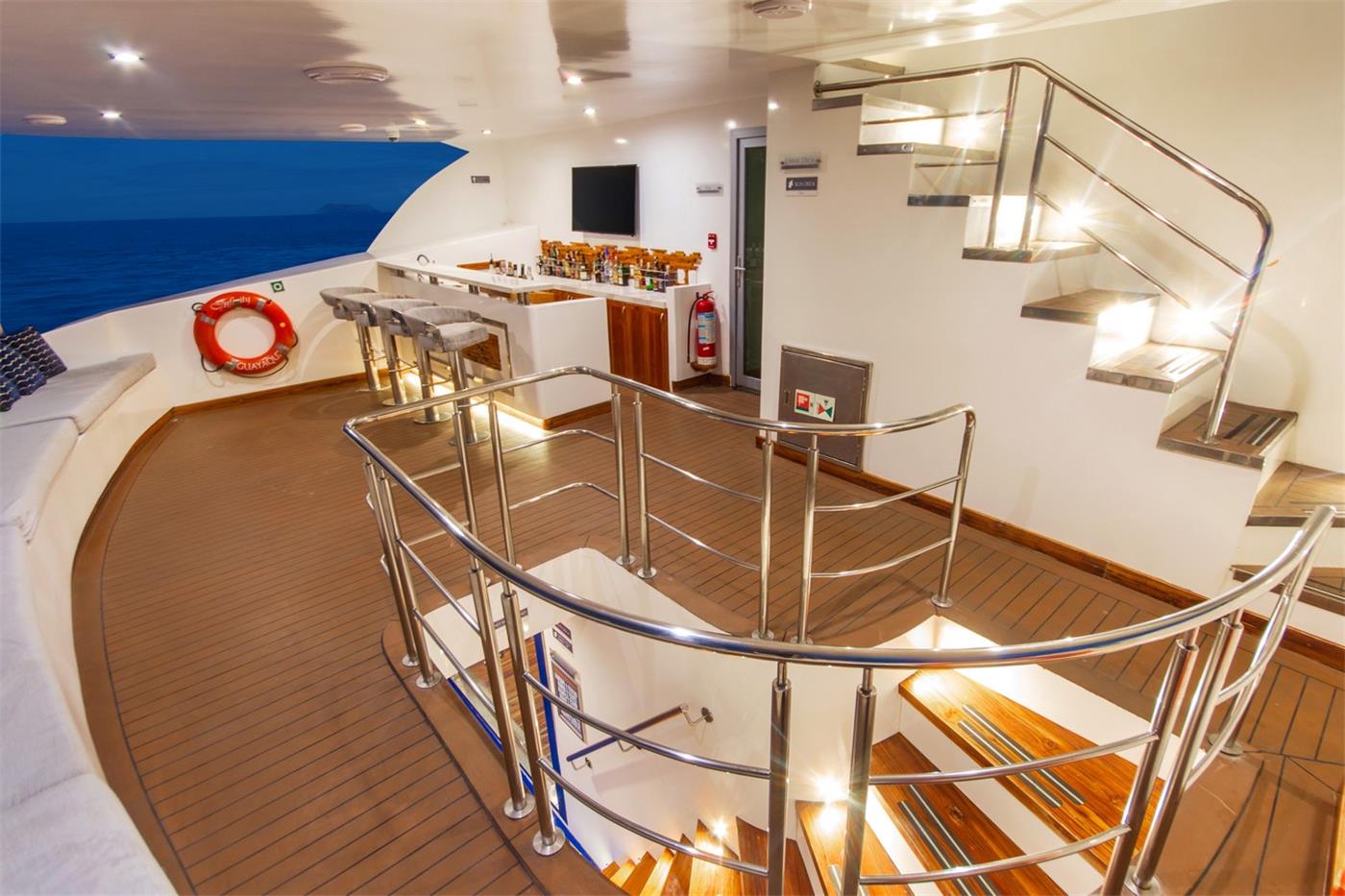
The Ocean Spray Mega-Catamaran offers year-round exciting cruises to the Galapagos Islands. Built for comfort and performance, the 34m/113ft catamaran caters to just 16 guests in 9 tasteful cabins. Each cabin has ample storage and living space, en-suite bathroom, AC, twin or double beds and private balcony to enjoy the stunning Galapagos views. Social areas include the indoor lounge and dining area, spacious sun deck with loungers and hot tub and al-fresco deck with bar and dining area. Guests will receive a champagne reception, and all meals, soft drinks and juices are included throughout the cruise.
Island you will visit:
- Santa Cruz
- Bartholomew
- Genovesa
- Santiago
- North Seymour
- Mosquera Islet
Itinerary
Itinerary
Book This Tour
Loading departure information...
Terms & Conditions
Payment Policy*:
- At the time of booking a deposit of 20% of the total tour price
- The remaining balance is due a minimum of 65 calendar days prior to departure date
To issue final confirmation Palace tours requires 60 days prior to departure (or at time of reservation for last minute bookings) the following information for all passengers:
- Complete passenger names
- Passport numbers (& passport copy in case of children)
- Nationality
- Date of birth
- Marital Status
- Dietary or medical restrictions
Failure to provide the above information on time may result in delays and possibly passengers missing the tour completely. Palace tours will not accept responsibility or provide refunds if the above information is not provided in its entirety and on time.
Cancellation Policy*
All cancellations must be done in writing. If a cancellation is received more than 125 days prior to tour departure date a Cancellation fee of 10% of the total price will be retained as cancellation fee.
If a cancellation is received between 124 days and 65 days prior to tour departure date, 20% of the total price will be forfeited.
In the case of a cancellation received less than 65 days prior to the boat departure the full amount will be retained.
*Specific Payment and Cancellation/Reschedule policies for Christmas and New Years´ Eve cruise dates
Inclusions & Exclusions
Rates Include:
- Transfers airport/yacht/airport in Galapagos
- Airport reception and assistance
- Double or single accommodation
- Guided expeditions according to the itinerary
- Top bilingual National Park guide (English / Spanish)
- Cruise Service Officer
- Activity daily briefing
- All meals and snacks
- Soft drinks and juices
- Captain’s welcome and farewell cocktail
- Use of sea kayaks and paddle-boards
- Expedition Gear
Not Included:
- Round trip to Galapagos
- Galapagos National Park Entrance fee ($100 - subject to change)
- Transit Control Card ($20 - subject to change)
- Alcoholic beverages
- Gratuities for guide and crew
- Travel and health insurance
- Micro SD Card Mask and snorkel (personal use)
Frequently Asked Questions & Tips
Galapagos is a place that can be visited at any time. There are two season, and the warmest is between December and May. It is the time of year when the sky is always clear, and the sun shines strongly. If you love to dive in amazing places, the best time to visit Galapagos is from June to November. During this season the weather is a little cooler, but it gives you the chance to enjoy the best from Galapagos' famous marine reserve.
Since the islands are situated very near the Equator, we recommend that you bring lightweight clothing and of course, don't forget your swimsuits, sun lotion, and good footwear.
It depends from where you depart. Flights to the Galapagos leave from Quito and Guayaquil. It takes about half an hour to get from Quito to Guayaquil and roughly one and a half hours from Guayaquil to the islands.
For the Galapagos Islands there are no required or recommended immunizations. If you, however, intend to spend more time in Ecuador, especially in the jungle, immunization is highly recommended. As this changes from time to time please check with your local health office (or the Institute for Tropical Diseases) a few weeks in advance of your trip.
Most of our cruises will assign double cabins to all passengers unless you want to pay the single supplement if traveling alone. Triple cabins can also be arranged on request, depending on availability and the vessel you choose.
The Galapagos Islands are 6 hours behind GMT (equivalent to USA Central Standard Time)
The equatorial line does pass through the Galapagos, just north of Isla Santiago. Please refer to our Itinerary page to see which itinerary passes through the equatorial line.
The Galapagos Islands waters have the Humboldt Current's influence that brings cold waters especially during the mist rainy season (cool weather) from July to December. The warm season is during the months of January to June. The southeast trade winds become weaker and the water from the Panama Basin remains warm. During this season there is more of a tropical climate with some occasional rains. "El Niño" current may cause a much greater flow of warm waters, making the surface warmer and rainfall increase.
Average water temperatures in Galapagos:
January - June: 70°F - 80°F (20°C - 26°C)
July - December: 65°F - 75°F (18°C- 23°C)
Snorkeling equipment is available on-board and is an activity on all of our Galapagos Cruises. All water sports convey a certain risk. Passengers participating in these activities do so under their own responsibility.
*Restrictions and fees might apply, please contact us for more information.
Passengers with special dietary needs are asked to request the latest menu offered and in such cases that stated menu does not meet their needs to clearly convey their specific dietary needs. It is the responsibility of passengers with specific dietary needs to addressed additional requirements at least 30 days prior to the start of the cruise. Those general and specific needs not clearly conveyed cannot be met. Every reasonable effort will be made to cater to such requests within reason, subject to availability of products in Ecuador retains the right to refuse to cater such special needs.
Media Gallery
OceanSpray terrace
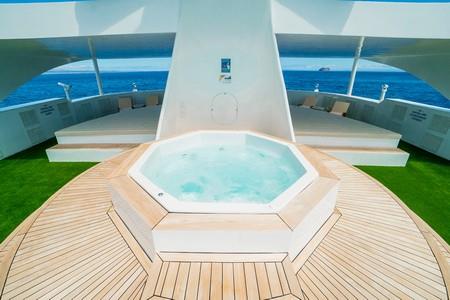
OceanSpray Jacuzzi
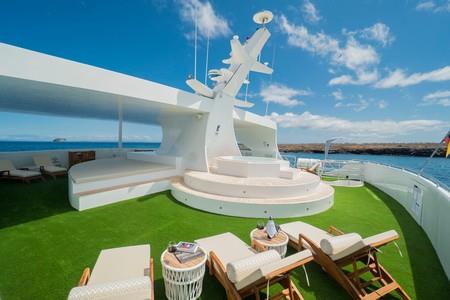
OceanSpray Sky deck
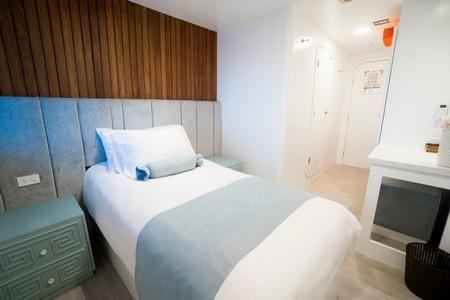
OceanSpray Single Cabin
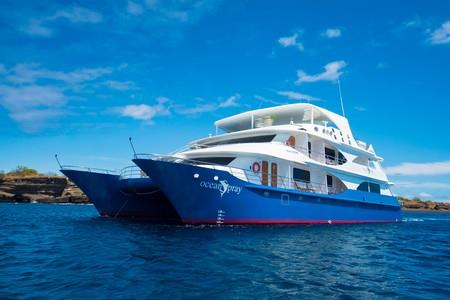
OceanSpray Exterior
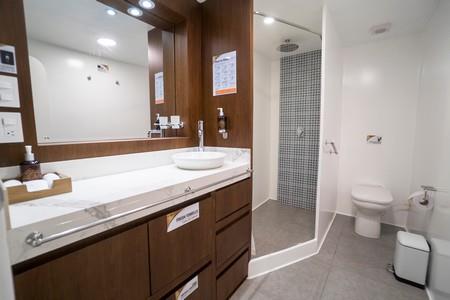
OceanSpray Bathroom
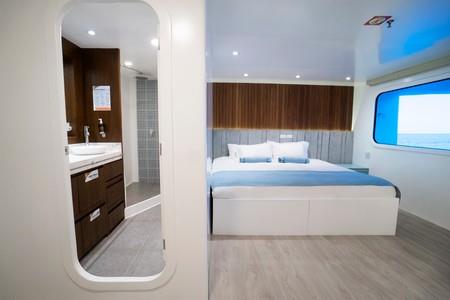
OceanSpray King cabin
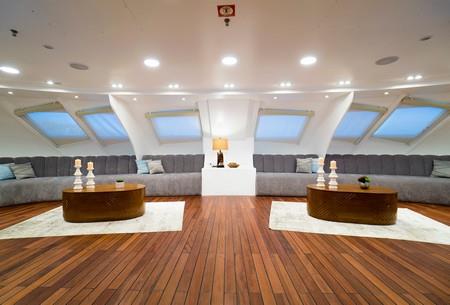
OceanSpray Social Area
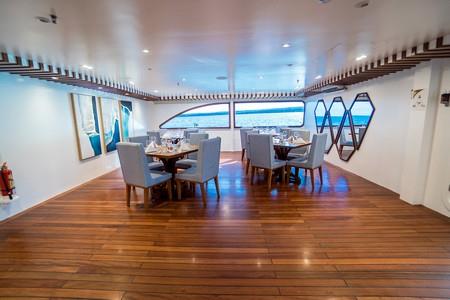
OceanSpray Dining
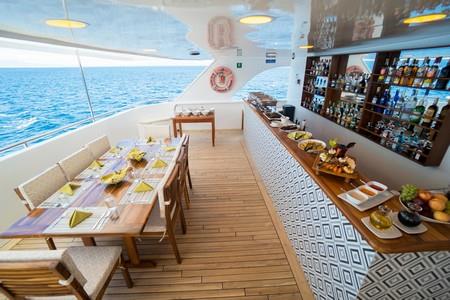
OceanSpray Al fresco Dining
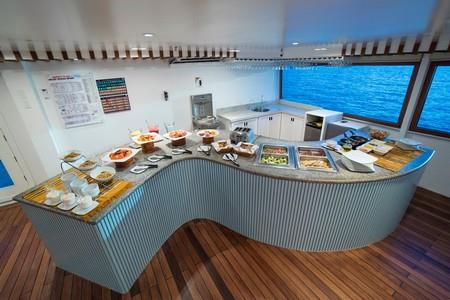
OceanSpray Buffet
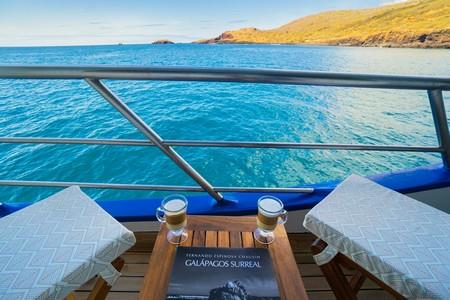
OceanSpray Balcony