|
Filter Your Search
|

Fetching Records Please Wait...
Popular Itineraries
Select Itinerary | Suggested Nights | More Info |
Barcelona
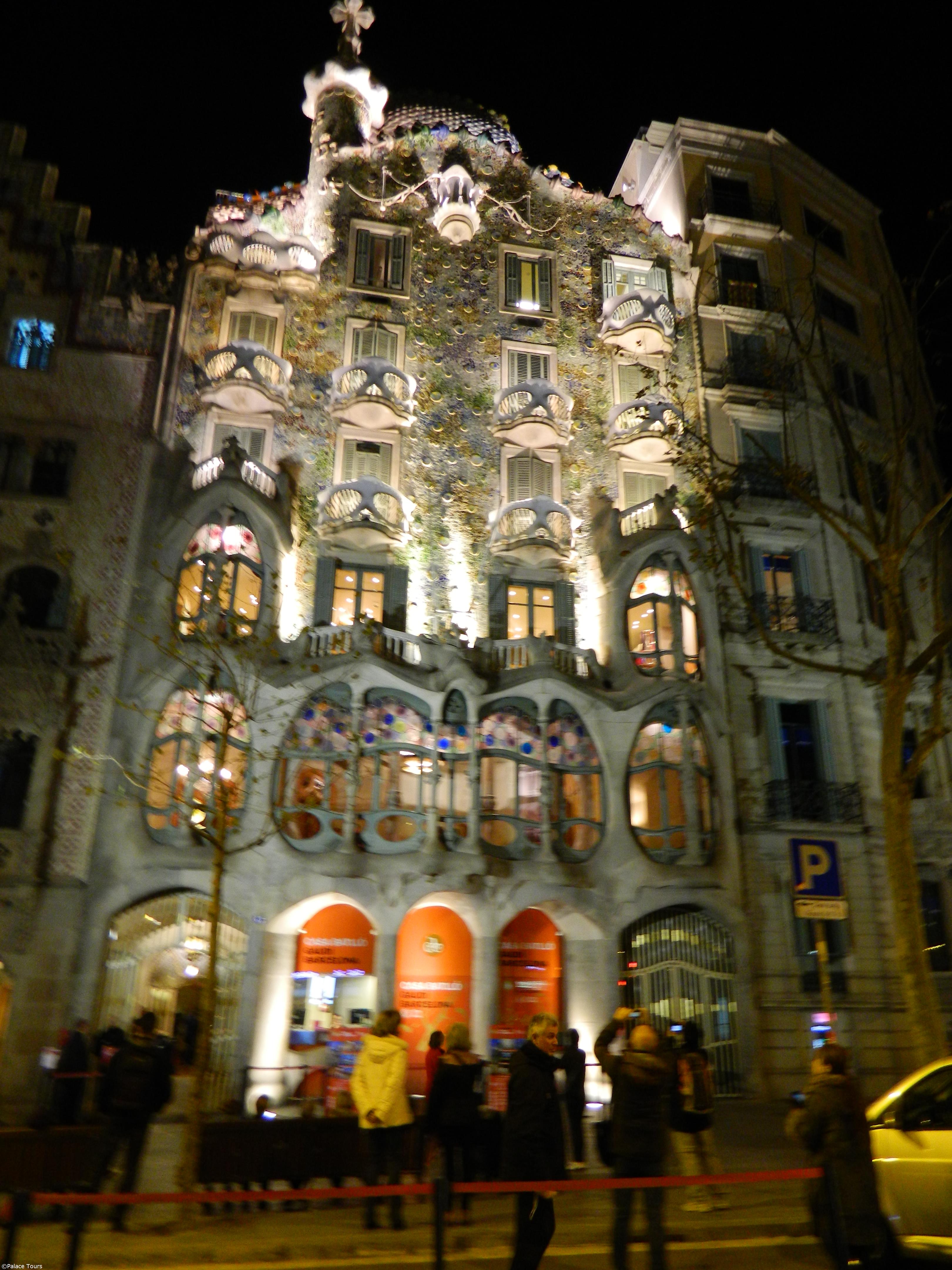
Barcelona is the capital and of the Autonomous Community of Catalonia and the second largest city in Spain. Founded as a Roman city, Barcelona today is an important cultural center and a major tourist destination with a rich cultural heritage. Particularly renowned architectural works include the iconic Barcelona Pavilion designed by Mies van der Rohe; the immense but still unfinished church of the Sagrada Família by Antoni Gaudí; and the work of Lluís Domènech i Montaner. The Barri Gòtic ("Gothic Quarter") is the center of the old city of Barcelona where many of the buildings date from medieval times, some from as far back as the Roman settlement of Barcelona. Barcelona is home to 68 municipal parks, with the 45 urban parks alone covering 10% of the city.
->
Seville
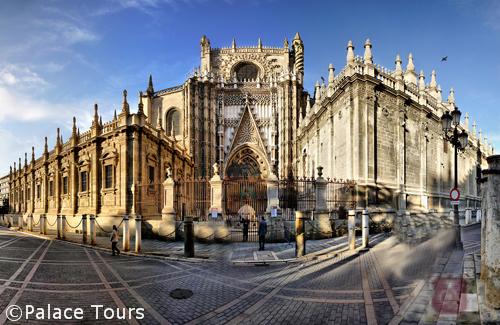
Seville is the artistic, cultural, and financial capital of southern Spain, and capital of Andalusia. The Cathedral of Seville is now arguably the largest church in the world when compared using the measurement of volume, and is also the final resting place of the remains of Christopher Columbus. La Giralda is a large and beautiful minaret tower, originally intended for the chief mosque, but now is the magnificent bell tower of the Cathedral and prominent symbol of Seville. The Real Alcázar is a beautiful palace, built in Mudéjar (Moorish) style in the 14th century. With its myriad of rooms, extravagant architecture, lavish gardens with many courtyards, ponds and secrets to be explored, it is a fascinating place to visit.
->
Malaga
Málaga is located in southern Spain, on the Costa del Sol (Coast of the Sun) on the northern side of the Mediterranean Sea. It lies about 100 km east of the Strait of Gibraltar and about 130 km east of Tarifa (the southernmost point of continental Europe) and about 130 km on north of Africa. Lies on a similar latitude (36°N) as Algiers in Algeria, Tunis in Tunisia, Aleppo in Syria, Mosul in Iraq, Tehran in Iran, Kunduz in Afghanistan and Fresno, California in the United States.
->
Madrid
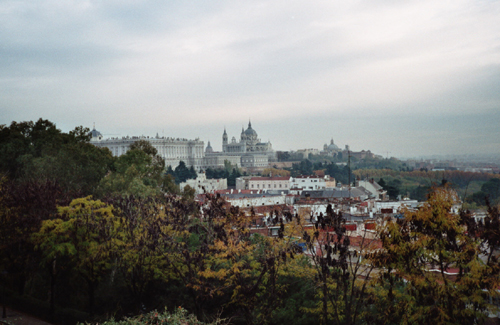
Madrid is the capital and largest city of Spain. The culture of Madrid was dominated by its religious and royal history, evident by enormous, monolithic cathedrals and churches, although nowadays Madrid is just as much a cosmopolitan city as Berlin or London, full of new architecture, life style and nightlife. Madrid is best known for its great cultural and artistic heritage, and is considered one of the top European destinations concerning art museums. Best known is the “Golden Triangle of Art,” located along the Paseo del Prado and comprising three museums, the Prado Museum, the Thyssen Bornemisza Museum, and the Reina Sofia Museum, which is home to Pablo Picasso's Guernica.
->
Barcelona
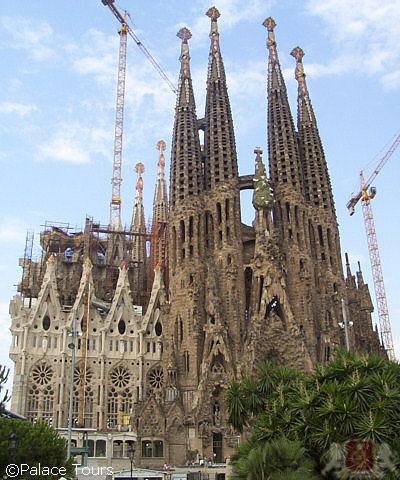
Barcelona is the capital and of the Autonomous Community of Catalonia and the second largest city in Spain. Founded as a Roman city, Barcelona today is an important cultural center and a major tourist destination with a rich cultural heritage. Particularly renowned architectural works include the iconic Barcelona Pavilion designed by Mies van der Rohe; the immense but still unfinished church of the Sagrada Família by Antoni Gaudí; and the work of Lluís Domènech i Montaner. The Barri Gòtic ("Gothic Quarter") is the center of the old city of Barcelona where many of the buildings date from medieval times, some from as far back as the Roman settlement of Barcelona. Barcelona is home to 68 municipal parks, with the 45 urban parks alone covering 10% of the city.
|
9
|
|
Madrid
Madrid is the capital and largest city of Spain. The culture of Madrid was dominated by its religious and royal history, evident by enormous, monolithic cathedrals and churches, although nowadays Madrid is just as much a cosmopolitan city as Berlin or London, full of new architecture, life style and nightlife. Madrid is best known for its great cultural and artistic heritage, and is considered one of the top European destinations concerning art museums. Best known is the “Golden Triangle of Art,” located along the Paseo del Prado and comprising three museums, the Prado Museum, the Thyssen Bornemisza Museum, and the Reina Sofia Museum, which is home to Pablo Picasso's Guernica.
->
Cordoba
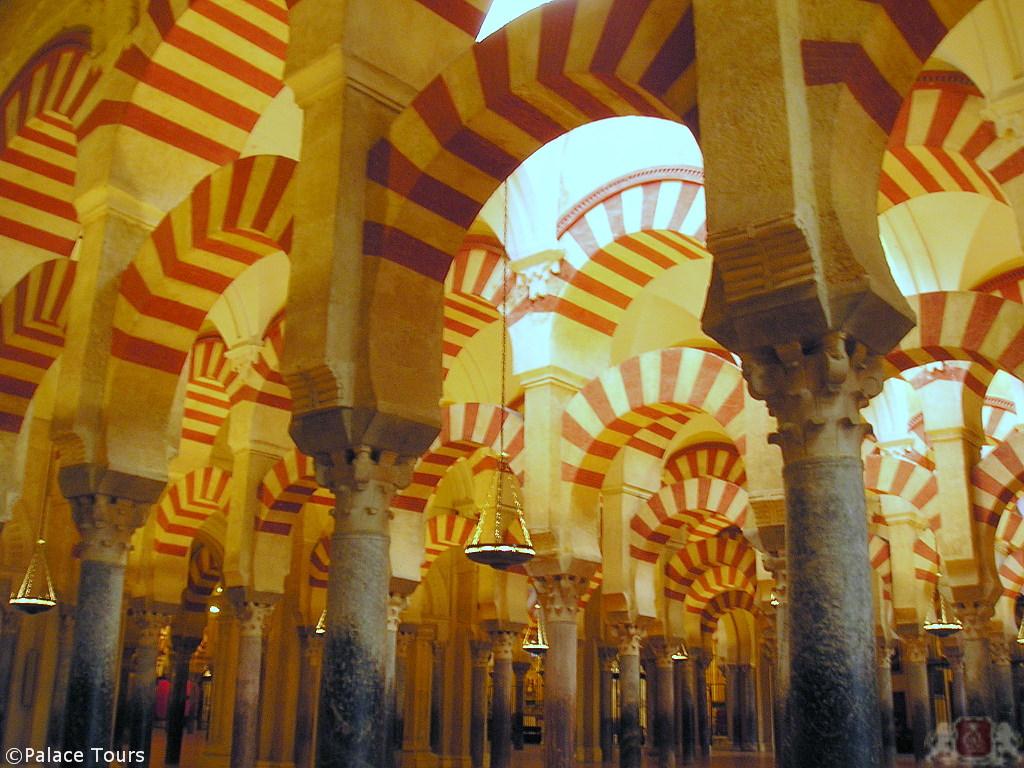
Córdoba (also Cordova) is a city in Andalusia, southern Spain, and the capital of the province of Córdoba. A Iberian and Roman city in ancient times, in the Middle Ages it was a capital of a Islamic caliphate and one of the largest cities in the world. Today a moderately-sized modern city, the old town contains many impressive architectural reminders of when Córdoba governed almost all of the Iberian Peninsula. One such masterpiece is the Great Mosque of Córdoba, which contains columns that date back to the Roman and Visigothic periods, primarily constructed during the Umayyad period (its construction started in 784). It was converted into a Cathedral after the Reconquista. Tourism is especially intense in Córdoba during May because of the weather and as this month hosts three very popular festivals.
->
Seville
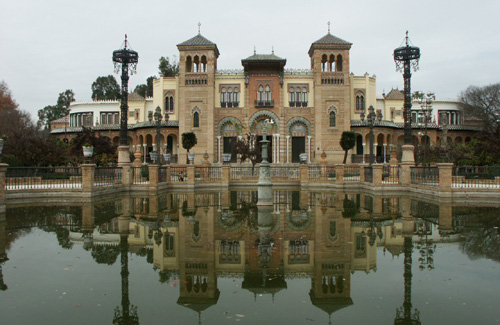
Seville is the artistic, cultural, and financial capital of southern Spain, and capital of Andalusia. The Cathedral of Seville is now arguably the largest church in the world when compared using the measurement of volume, and is also the final resting place of the remains of Christopher Columbus. La Giralda is a large and beautiful minaret tower, originally intended for the chief mosque, but now is the magnificent bell tower of the Cathedral and prominent symbol of Seville. The Real Alcázar is a beautiful palace, built in Mudéjar (Moorish) style in the 14th century. With its myriad of rooms, extravagant architecture, lavish gardens with many courtyards, ponds and secrets to be explored, it is a fascinating place to visit.
->
Granada
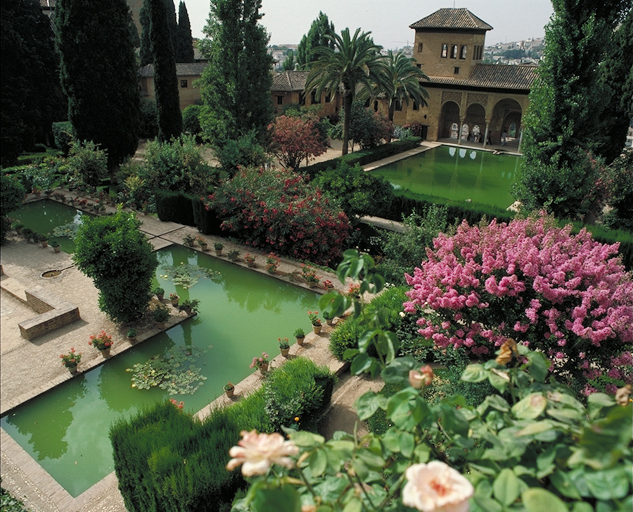
Granada is a city and the capital of the province of Granada, in the autonomous community of Andalusia, Spain. The city of Granada is located at the foot of the Sierra Nevada Mountains, yet only one hour from the Mediterranean coast, the Costa Tropical. The Alhambra, a Moorish citadel and palace, is in Granada. It is one of the most famous items of the Islamic historical legacy that makes Granada a hot spot among cultural and tourist cities in Spain. Granada is also well-known within Spain due to the prestigious University of Granada and, nowadays, vibrant night-life.
->
Ronda

Ronda is a city in Spanish province of Málaga. It is located about 100 kilometres (62 mi) Northwest from the city of Málaga, within the autonomous community of Andalusia. Its population is aproximately 35,000 inhabitants. It is situated in a very mountainous area about 750 m above mean sea level. The Guadalevín River runs through the city, dividing it in two and carving out the steep, 100 plus meters deep El Tajo canyon upon which the city perches. The Spanish Fir (Abies pinsapo) is endemic to the mountains surrounding Ronda.
->
Malaga
Málaga is located in southern Spain, on the Costa del Sol (Coast of the Sun) on the northern side of the Mediterranean Sea. It lies about 100 km east of the Strait of Gibraltar and about 130 km east of Tarifa (the southernmost point of continental Europe) and about 130 km on north of Africa. Lies on a similar latitude (36°N) as Algiers in Algeria, Tunis in Tunisia, Aleppo in Syria, Mosul in Iraq, Tehran in Iran, Kunduz in Afghanistan and Fresno, California in the United States.
->
Madrid
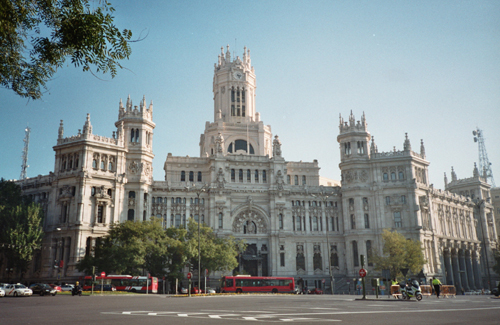
Madrid is the capital and largest city of Spain. The culture of Madrid was dominated by its religious and royal history, evident by enormous, monolithic cathedrals and churches, although nowadays Madrid is just as much a cosmopolitan city as Berlin or London, full of new architecture, life style and nightlife. Madrid is best known for its great cultural and artistic heritage, and is considered one of the top European destinations concerning art museums. Best known is the “Golden Triangle of Art,” located along the Paseo del Prado and comprising three museums, the Prado Museum, the Thyssen Bornemisza Museum, and the Reina Sofia Museum, which is home to Pablo Picasso's Guernica.
|
9
|
|
Madrid
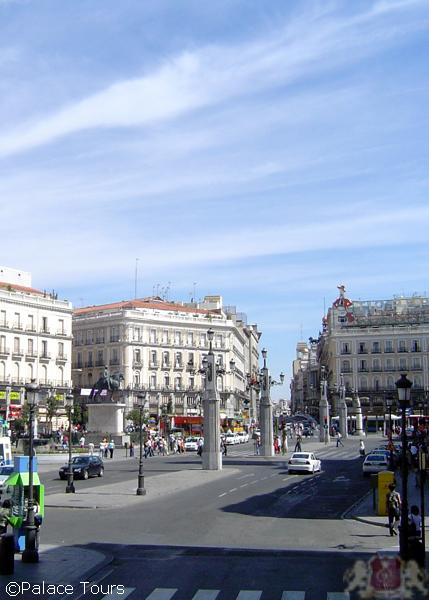
Madrid is the capital and largest city of Spain. The culture of Madrid was dominated by its religious and royal history, evident by enormous, monolithic cathedrals and churches, although nowadays Madrid is just as much a cosmopolitan city as Berlin or London, full of new architecture, life style and nightlife. Madrid is best known for its great cultural and artistic heritage, and is considered one of the top European destinations concerning art museums. Best known is the “Golden Triangle of Art,” located along the Paseo del Prado and comprising three museums, the Prado Museum, the Thyssen Bornemisza Museum, and the Reina Sofia Museum, which is home to Pablo Picasso's Guernica.
->
Barcelona
Barcelona is the capital and of the Autonomous Community of Catalonia and the second largest city in Spain. Founded as a Roman city, Barcelona today is an important cultural center and a major tourist destination with a rich cultural heritage. Particularly renowned architectural works include the iconic Barcelona Pavilion designed by Mies van der Rohe; the immense but still unfinished church of the Sagrada Família by Antoni Gaudí; and the work of Lluís Domènech i Montaner. The Barri Gòtic ("Gothic Quarter") is the center of the old city of Barcelona where many of the buildings date from medieval times, some from as far back as the Roman settlement of Barcelona. Barcelona is home to 68 municipal parks, with the 45 urban parks alone covering 10% of the city.
|
4
|
|
Madrid
Madrid is the capital and largest city of Spain. The culture of Madrid was dominated by its religious and royal history, evident by enormous, monolithic cathedrals and churches, although nowadays Madrid is just as much a cosmopolitan city as Berlin or London, full of new architecture, life style and nightlife. Madrid is best known for its great cultural and artistic heritage, and is considered one of the top European destinations concerning art museums. Best known is the “Golden Triangle of Art,” located along the Paseo del Prado and comprising three museums, the Prado Museum, the Thyssen Bornemisza Museum, and the Reina Sofia Museum, which is home to Pablo Picasso's Guernica.
->
Burgos
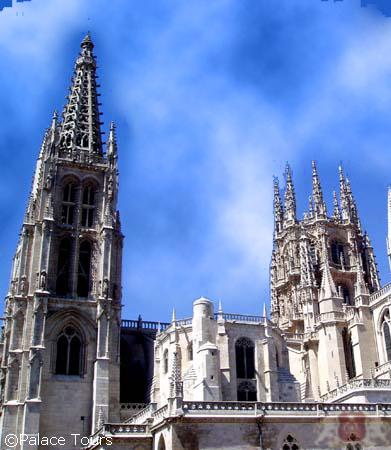
Burgos is a city of northern Spain, at the edge of the central plateau. To enter the old part of the city, pass through the impressive Arco de Santa María into the Plaza Del Rey San Fernando, home of Spain's finest Gothic Cathedral which completely dominates the center of the old town. Burgos is rich in ancient churches and convents. The three most notable are the cathedral, with its chapel of the Condestables de Castilla, the monastery of Las Huelgas, and the Carthusian monastery of Miraflores. The Convento de la Merced, occupied by the Jesuits, and the Hospital del Rey are also of historic and architectural interest.
->
Bilbao
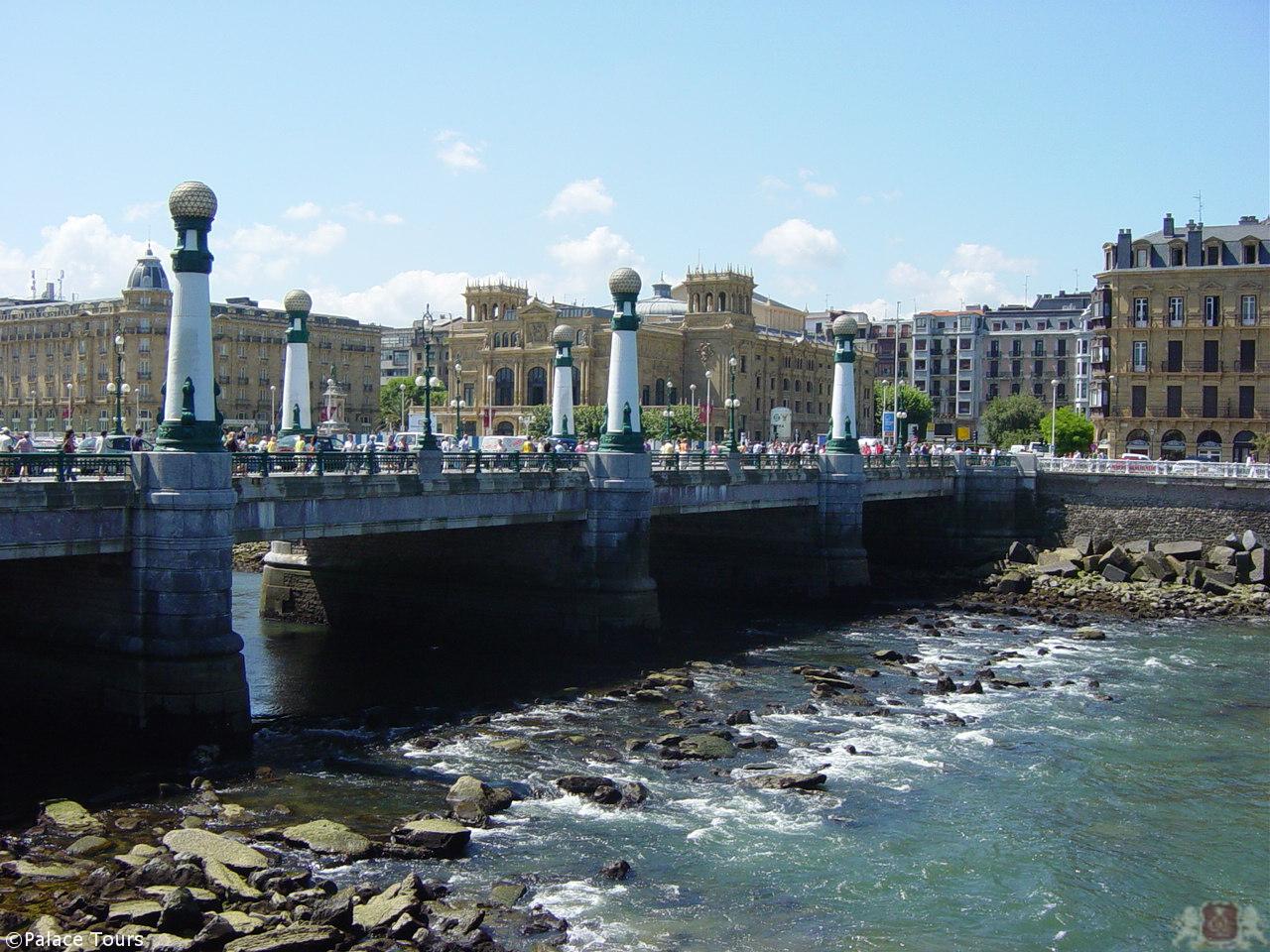
Bilbao is the largest city in the Basque Country and the capital of the province of Biscay. The city has recently undergone major urban renewal, in order to move away from the region’s industrial history and instead focus on tourism and services. The developments are centered around the new metro system by Sir Norman Foster and, most of all, the Guggenheim Bilbao Museum by Frank Gehry. Other new landmarks include the Santiago Calatrava- designed Zubizuri Bridge and the Euskalduna Palace, a cultural center, further downstream. The city also acts as home for the Fine Arts Museum recognized as one of Spain’s finest art museums and recently refurbished and the Maritime Museum on the Nervión’s banks, which recently hosted the RMS Titanic exhibition.
->
San Sebastián
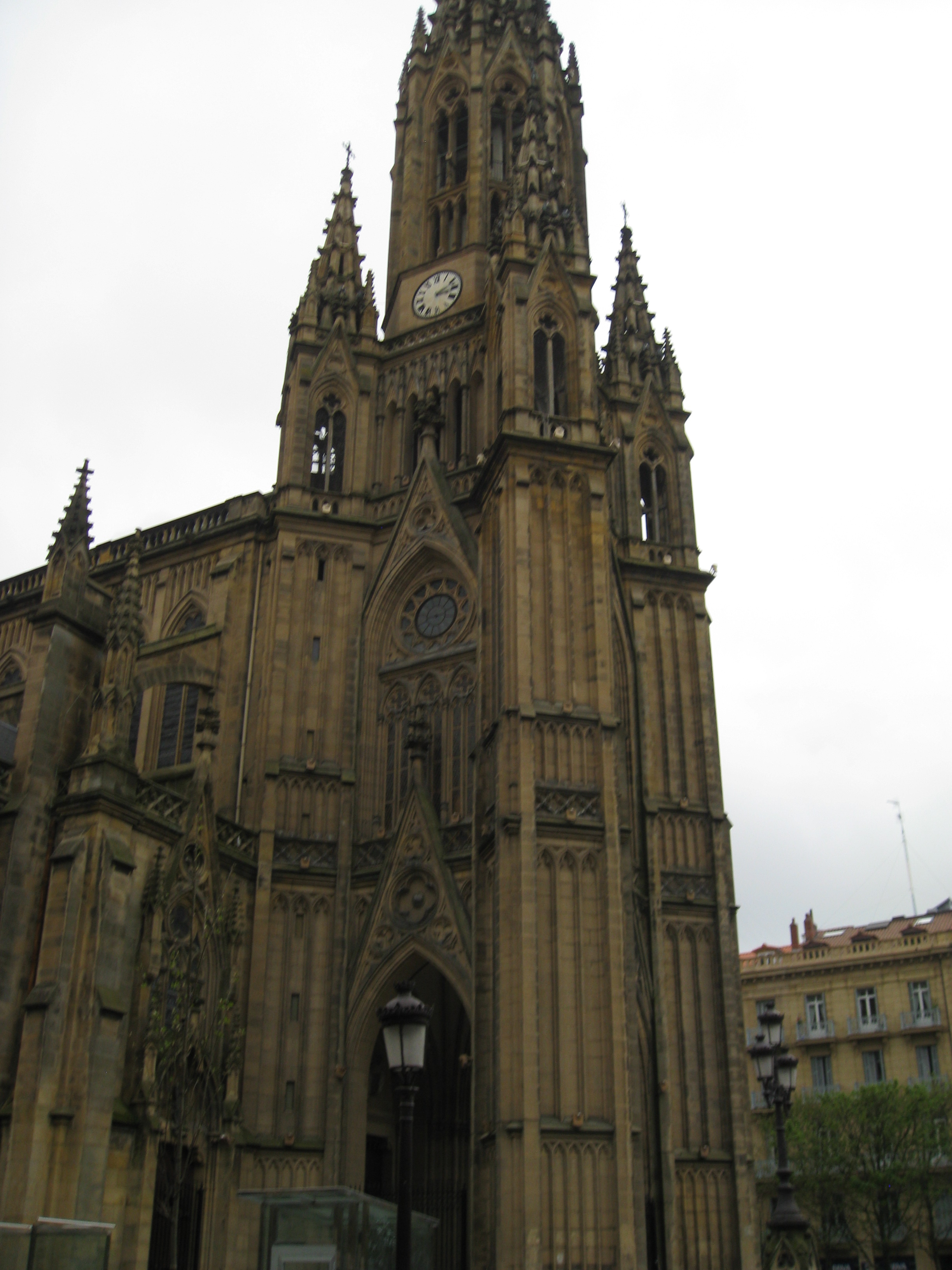
San Sebastián (Donostia in the Basque language) is a bustling summer resort city surrounded by verdant mountains in the Basque country of Northern Spain, where the Belle Epoque lives on. The area attracts tourists with its three lovely beaches: Ondaretta, Playa de Gros, and Playa de la Concha. To complement the beaches, San Sebastian’s charming old quarter abounds with cafés, bars, clubs, and restaurants where you can try their world-renowned tapas. Tradition and modernity coexist harmoniously, as other attractions include the Baroque Church of Santa Maria, the Gothic Church of San Vicente, and the Museo de San Telemo.
->
Madrid
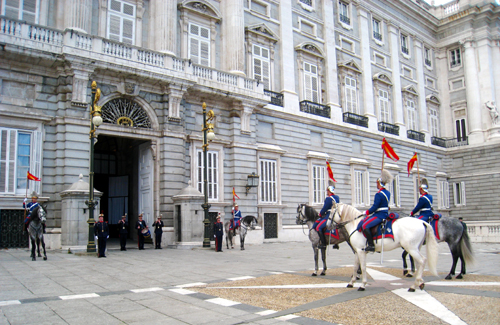
Madrid is the capital and largest city of Spain. The culture of Madrid was dominated by its religious and royal history, evident by enormous, monolithic cathedrals and churches, although nowadays Madrid is just as much a cosmopolitan city as Berlin or London, full of new architecture, life style and nightlife. Madrid is best known for its great cultural and artistic heritage, and is considered one of the top European destinations concerning art museums. Best known is the “Golden Triangle of Art,” located along the Paseo del Prado and comprising three museums, the Prado Museum, the Thyssen Bornemisza Museum, and the Reina Sofia Museum, which is home to Pablo Picasso's Guernica.
|
5
|
|
Madrid
Madrid is the capital and largest city of Spain. The culture of Madrid was dominated by its religious and royal history, evident by enormous, monolithic cathedrals and churches, although nowadays Madrid is just as much a cosmopolitan city as Berlin or London, full of new architecture, life style and nightlife. Madrid is best known for its great cultural and artistic heritage, and is considered one of the top European destinations concerning art museums. Best known is the “Golden Triangle of Art,” located along the Paseo del Prado and comprising three museums, the Prado Museum, the Thyssen Bornemisza Museum, and the Reina Sofia Museum, which is home to Pablo Picasso's Guernica.
->
León
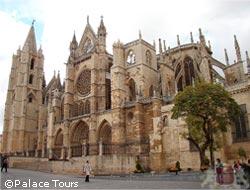
The city of León is the capital of León province in the autonomous community of Castile and León in the Northwest of Spain. León is the last major city along the Camino de Santiago or “Way of St. James”, which makes it common to see pilgrims from all over the world walking through the city. León is especially famous for its gothic cathedral and medieval and Roman architectural legacy, such as the Real Colegiata de San Isidoro, San Marcos, and the Roman wall surrounding the old part of the city which dates back to the 1st century BC. The narrow, almost labyrinth-like medieval streets make the old part of the city remain very true to its original look. The new part stands in stark contrast to the old, full of modern and contemporary buildings such as Gaudi’s Casa de Botines and the new MUSAC, the Castile and León Museum of Contemporary Art.
->
Santiago de Compostela
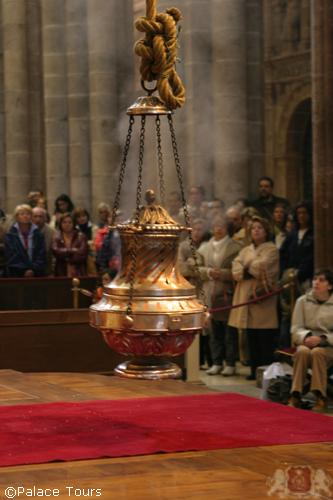
Santiago de Compostela is the capital city of Galicia, Spain, and is the jewel in its historic and medieval crown. The city has world heritage status, and the 9th century Cathedral itself is the final destination for thousands of Christian pilgrims who traverse the "Way of St. James (Camino de Santiago)" pilgrimage across Galicia in order to reach this impressive city and visit the tomb of the saint himself. Santiago’s old town is also full of dazzling examples of Gothic, Neo-classical, Romanesque and Baroque design and nearly all are on a grand or monumental scale.
->
Zamora
Zamora is the capital of Zamora province in the Castile and León region of northwest Spain. Its city center lies on the north bank of the Douro River, ringed by well-preserved defensive walls and gates. It's known for the Zamora Cathedral, encompassing a Byzantine dome, Romanesque tower and neoclassical cloister. The cloister houses the Museo Catedralicio, with a collection of Flemish tapestries.
->
Madrid
Madrid is the capital and largest city of Spain. The culture of Madrid was dominated by its religious and royal history, evident by enormous, monolithic cathedrals and churches, although nowadays Madrid is just as much a cosmopolitan city as Berlin or London, full of new architecture, life style and nightlife. Madrid is best known for its great cultural and artistic heritage, and is considered one of the top European destinations concerning art museums. Best known is the “Golden Triangle of Art,” located along the Paseo del Prado and comprising three museums, the Prado Museum, the Thyssen Bornemisza Museum, and the Reina Sofia Museum, which is home to Pablo Picasso's Guernica.
|
4
|
|
|