
Visit the famous Basque Country in Spain - known for its gastronomy, fashion and well preserved culture. This itinerary has been planned to take you to Burgos (where you have the opportunity to see the Museum of Human Evolution and visit Altapuerca fossil park. Travel to Bilbao, the hub of Spanish gastronomy and visit San Sebastian, home of maximum number of Michelin Star restaurants (per capita) in the world.
|
| Destination | Suggested Number of Nights |
Madrid
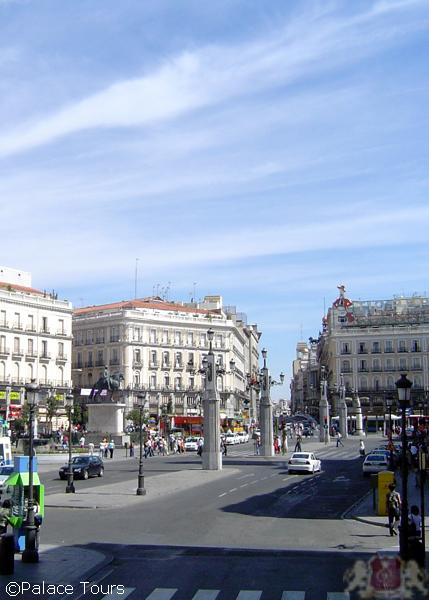
Madrid is the capital and largest city of Spain. The culture of Madrid was dominated by its religious and royal history, evident by enormous, monolithic cathedrals and churches, although nowadays Madrid is just as much a cosmopolitan city as Berlin or London, full of new architecture, life style and nightlife. Madrid is best known for its great cultural and artistic heritage, and is considered one of the top European destinations concerning art museums. Best known is the “Golden Triangle of Art,” located along the Paseo del Prado and comprising three museums, the Prado Museum, the Thyssen Bornemisza Museum, and the Reina Sofia Museum, which is home to Pablo Picasso's Guernica.
|
0
|
Burgos
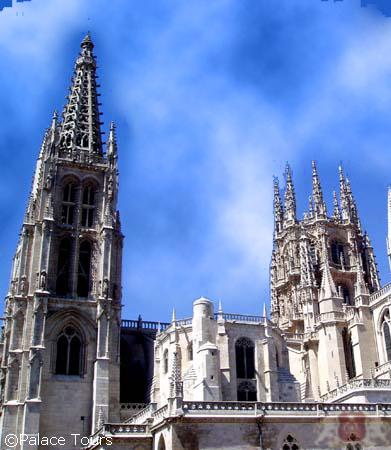
Burgos is a city of northern Spain, at the edge of the central plateau. To enter the old part of the city, pass through the impressive Arco de Santa María into the Plaza Del Rey San Fernando, home of Spain's finest Gothic Cathedral which completely dominates the center of the old town. Burgos is rich in ancient churches and convents. The three most notable are the cathedral, with its chapel of the Condestables de Castilla, the monastery of Las Huelgas, and the Carthusian monastery of Miraflores. The Convento de la Merced, occupied by the Jesuits, and the Hospital del Rey are also of historic and architectural interest.
|
1
|
Bilbao
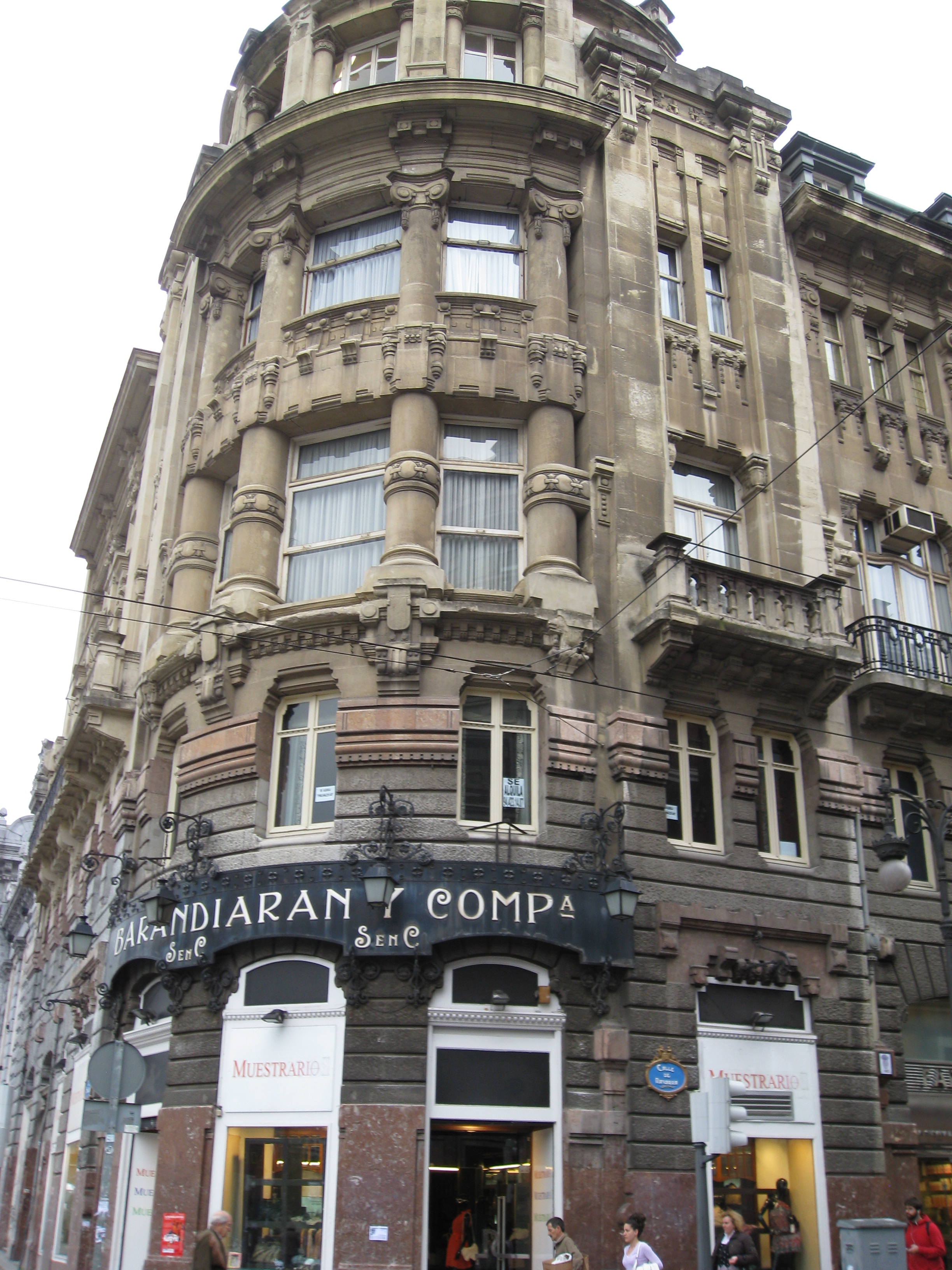
Bilbao is the largest city in the Basque Country and the capital of the province of Biscay. The city has recently undergone major urban renewal, in order to move away from the region’s industrial history and instead focus on tourism and services. The developments are centered around the new metro system by Sir Norman Foster and, most of all, the Guggenheim Bilbao Museum by Frank Gehry. Other new landmarks include the Santiago Calatrava- designed Zubizuri Bridge and the Euskalduna Palace, a cultural center, further downstream. The city also acts as home for the Fine Arts Museum recognized as one of Spain’s finest art museums and recently refurbished and the Maritime Museum on the Nervión’s banks, which recently hosted the RMS Titanic exhibition.
|
2
|
San Sebastián
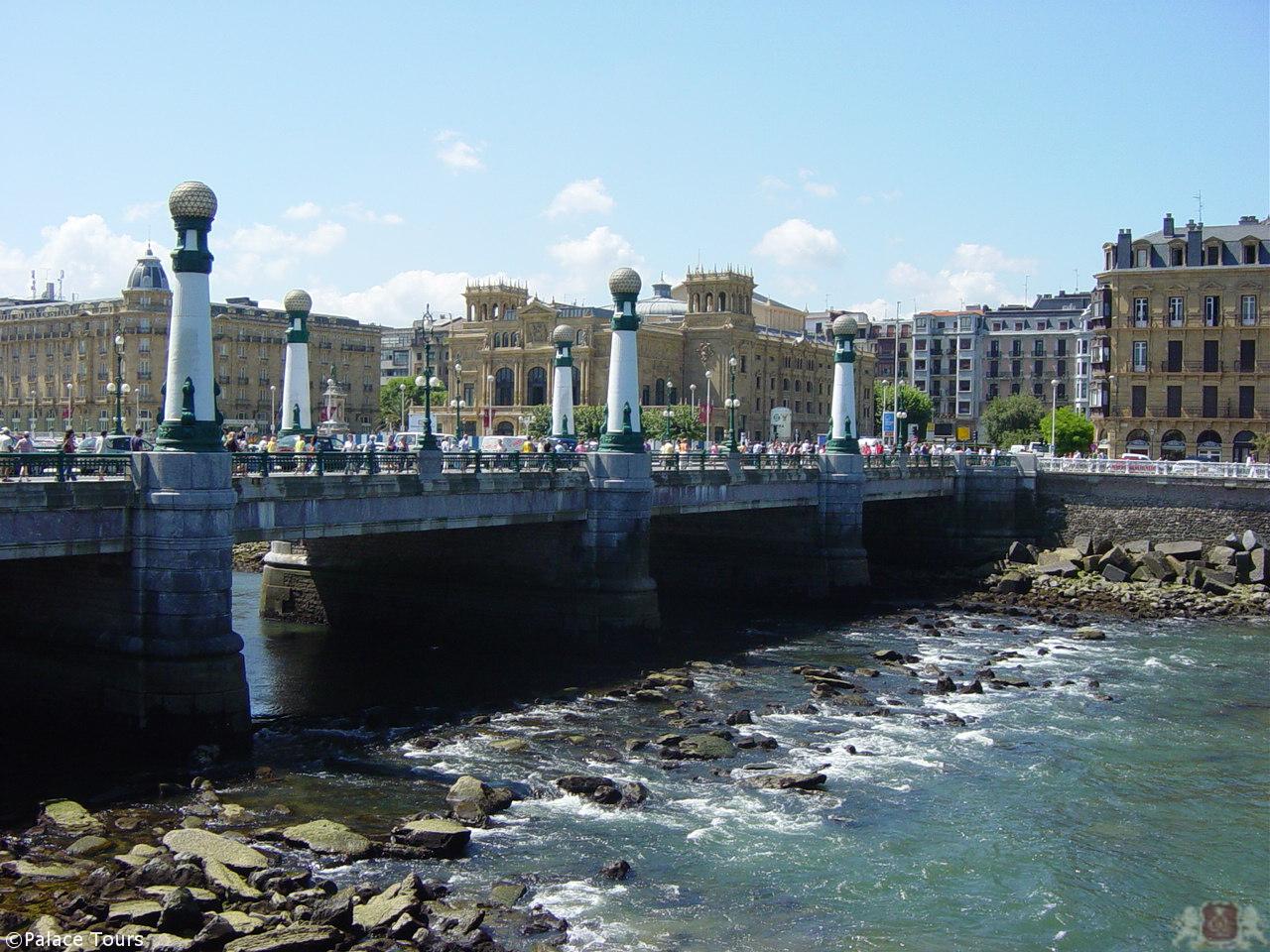
San Sebastián (Donostia in the Basque language) is a bustling summer resort city surrounded by verdant mountains in the Basque country of Northern Spain, where the Belle Epoque lives on. The area attracts tourists with its three lovely beaches: Ondaretta, Playa de Gros, and Playa de la Concha. To complement the beaches, San Sebastian’s charming old quarter abounds with cafés, bars, clubs, and restaurants where you can try their world-renowned tapas. Tradition and modernity coexist harmoniously, as other attractions include the Baroque Church of Santa Maria, the Gothic Church of San Vicente, and the Museo de San Telemo.
|
2
|
Madrid
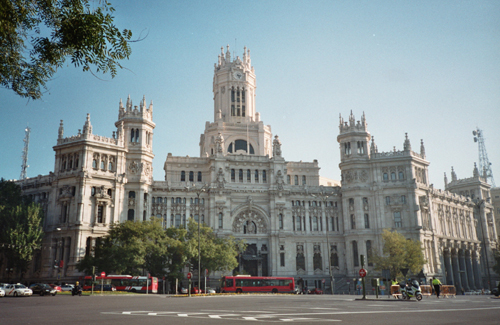
Madrid is the capital and largest city of Spain. The culture of Madrid was dominated by its religious and royal history, evident by enormous, monolithic cathedrals and churches, although nowadays Madrid is just as much a cosmopolitan city as Berlin or London, full of new architecture, life style and nightlife. Madrid is best known for its great cultural and artistic heritage, and is considered one of the top European destinations concerning art museums. Best known is the “Golden Triangle of Art,” located along the Paseo del Prado and comprising three museums, the Prado Museum, the Thyssen Bornemisza Museum, and the Reina Sofia Museum, which is home to Pablo Picasso's Guernica.
|
0
|
|
|