
Start from Barcelona and visit the country on a high speed train. Visit Seville, home of one of the largest cathedrals in Europe. Travel to Malaga and take optional excursions to Ronda (the birthplace of bull fighting), Morocco, Granada without having to pack or unpack. Then travel to Madrid, the capita and cultural hub of Spain. End your tour back in Barcelona.
|
| Destination | Suggested Number of Nights |
Barcelona
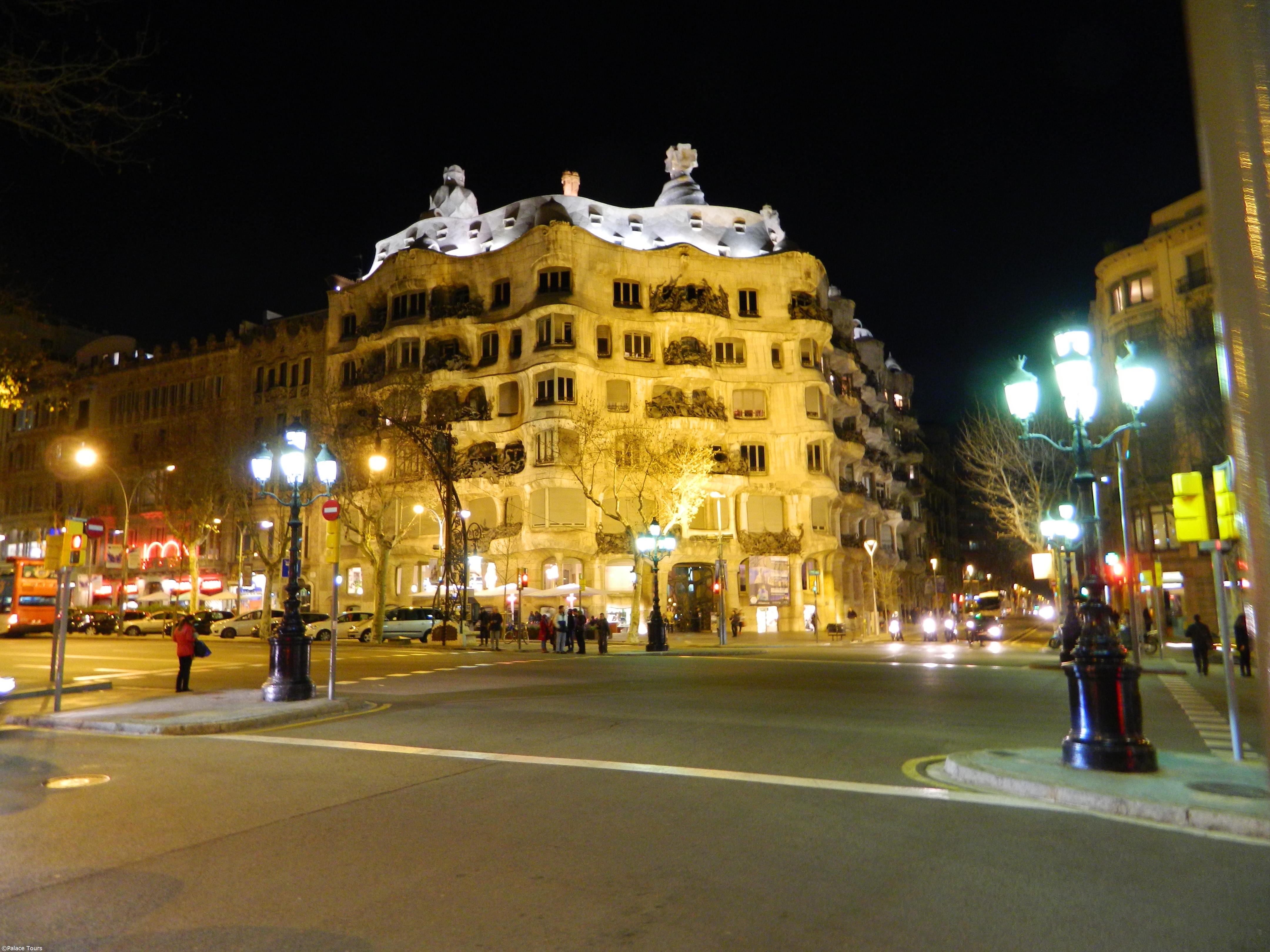
Barcelona is the capital and of the Autonomous Community of Catalonia and the second largest city in Spain. Founded as a Roman city, Barcelona today is an important cultural center and a major tourist destination with a rich cultural heritage. Particularly renowned architectural works include the iconic Barcelona Pavilion designed by Mies van der Rohe; the immense but still unfinished church of the Sagrada Família by Antoni Gaudí; and the work of Lluís Domènech i Montaner. The Barri Gòtic ("Gothic Quarter") is the center of the old city of Barcelona where many of the buildings date from medieval times, some from as far back as the Roman settlement of Barcelona. Barcelona is home to 68 municipal parks, with the 45 urban parks alone covering 10% of the city.
|
2
|
Seville
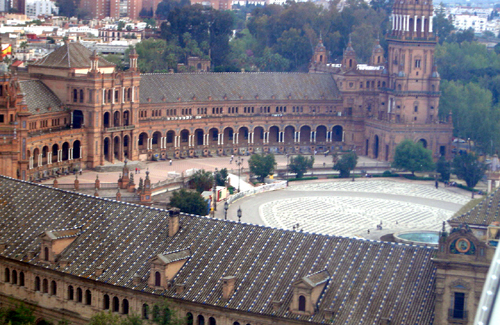
Seville is the artistic, cultural, and financial capital of southern Spain, and capital of Andalusia. The Cathedral of Seville is now arguably the largest church in the world when compared using the measurement of volume, and is also the final resting place of the remains of Christopher Columbus. La Giralda is a large and beautiful minaret tower, originally intended for the chief mosque, but now is the magnificent bell tower of the Cathedral and prominent symbol of Seville. The Real Alcázar is a beautiful palace, built in Mudéjar (Moorish) style in the 14th century. With its myriad of rooms, extravagant architecture, lavish gardens with many courtyards, ponds and secrets to be explored, it is a fascinating place to visit.
|
2
|
|
Malaga
Málaga is located in southern Spain, on the Costa del Sol (Coast of the Sun) on the northern side of the Mediterranean Sea. It lies about 100 km east of the Strait of Gibraltar and about 130 km east of Tarifa (the southernmost point of continental Europe) and about 130 km on north of Africa. Lies on a similar latitude (36°N) as Algiers in Algeria, Tunis in Tunisia, Aleppo in Syria, Mosul in Iraq, Tehran in Iran, Kunduz in Afghanistan and Fresno, California in the United States.
|
3
|
Madrid
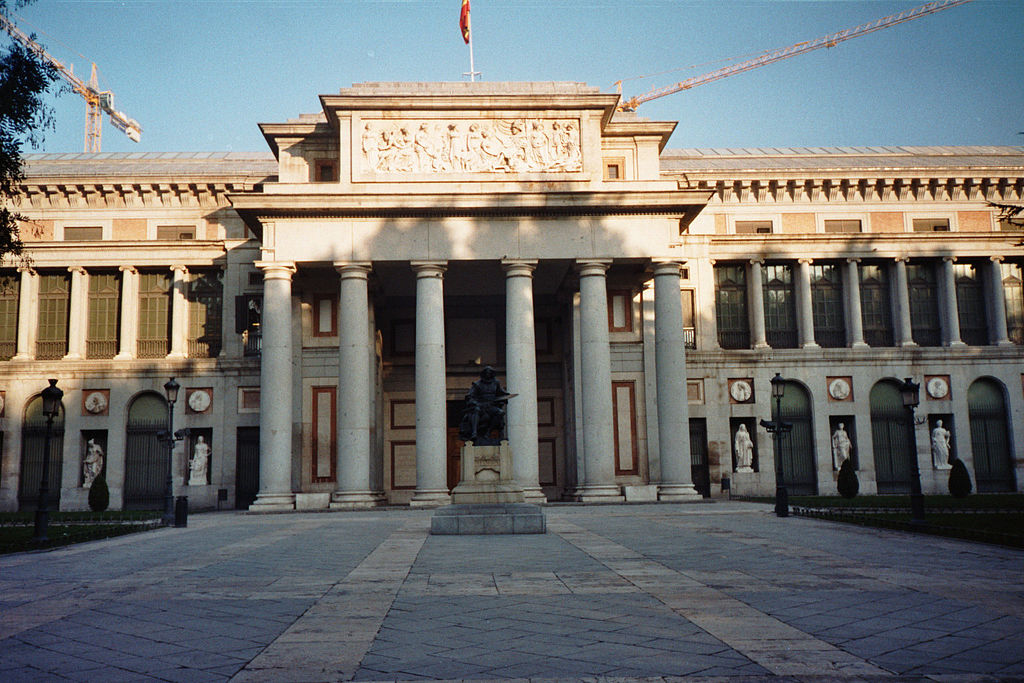
Madrid is the capital and largest city of Spain. The culture of Madrid was dominated by its religious and royal history, evident by enormous, monolithic cathedrals and churches, although nowadays Madrid is just as much a cosmopolitan city as Berlin or London, full of new architecture, life style and nightlife. Madrid is best known for its great cultural and artistic heritage, and is considered one of the top European destinations concerning art museums. Best known is the “Golden Triangle of Art,” located along the Paseo del Prado and comprising three museums, the Prado Museum, the Thyssen Bornemisza Museum, and the Reina Sofia Museum, which is home to Pablo Picasso's Guernica.
|
2
|
Barcelona
Barcelona is the capital and of the Autonomous Community of Catalonia and the second largest city in Spain. Founded as a Roman city, Barcelona today is an important cultural center and a major tourist destination with a rich cultural heritage. Particularly renowned architectural works include the iconic Barcelona Pavilion designed by Mies van der Rohe; the immense but still unfinished church of the Sagrada Família by Antoni Gaudí; and the work of Lluís Domènech i Montaner. The Barri Gòtic ("Gothic Quarter") is the center of the old city of Barcelona where many of the buildings date from medieval times, some from as far back as the Roman settlement of Barcelona. Barcelona is home to 68 municipal parks, with the 45 urban parks alone covering 10% of the city.
|
0
|
|
|